
Last updated November 25, 2026
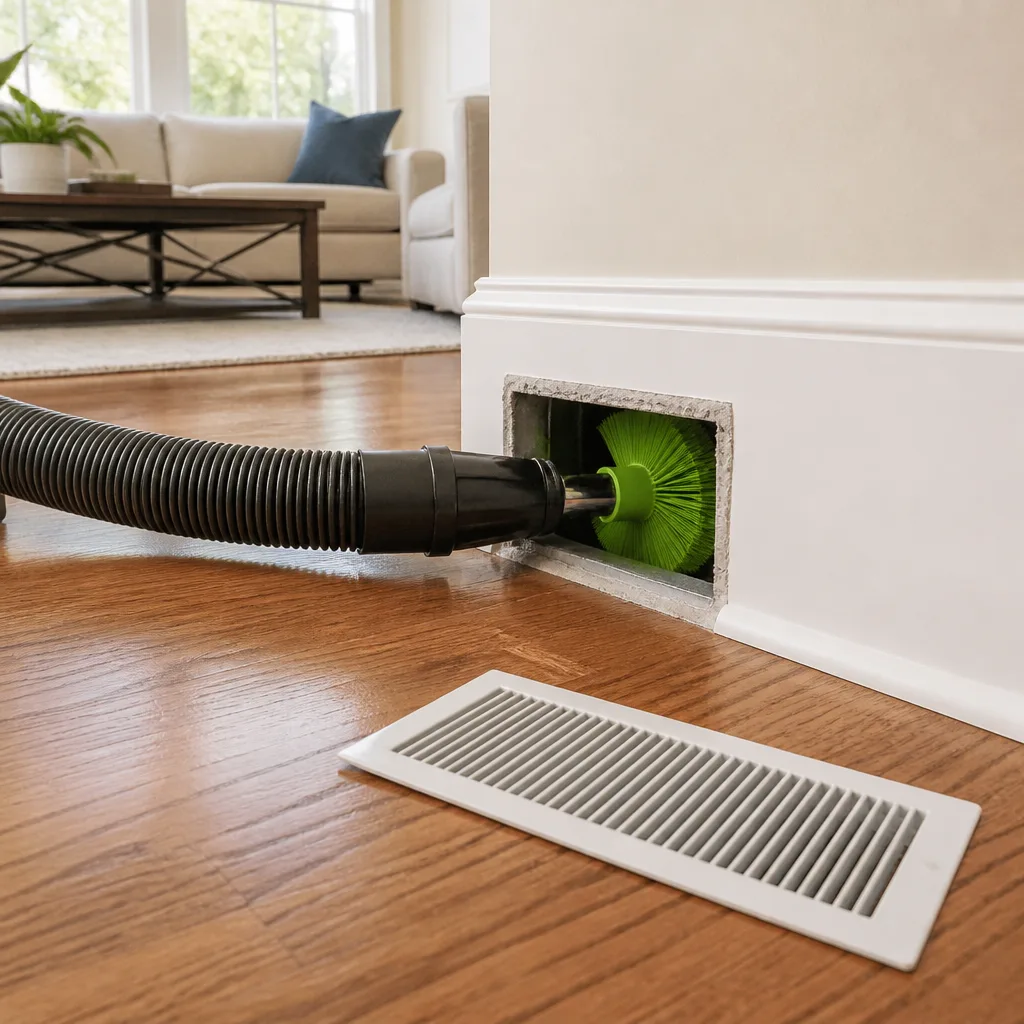 Whole-home duct cleaning
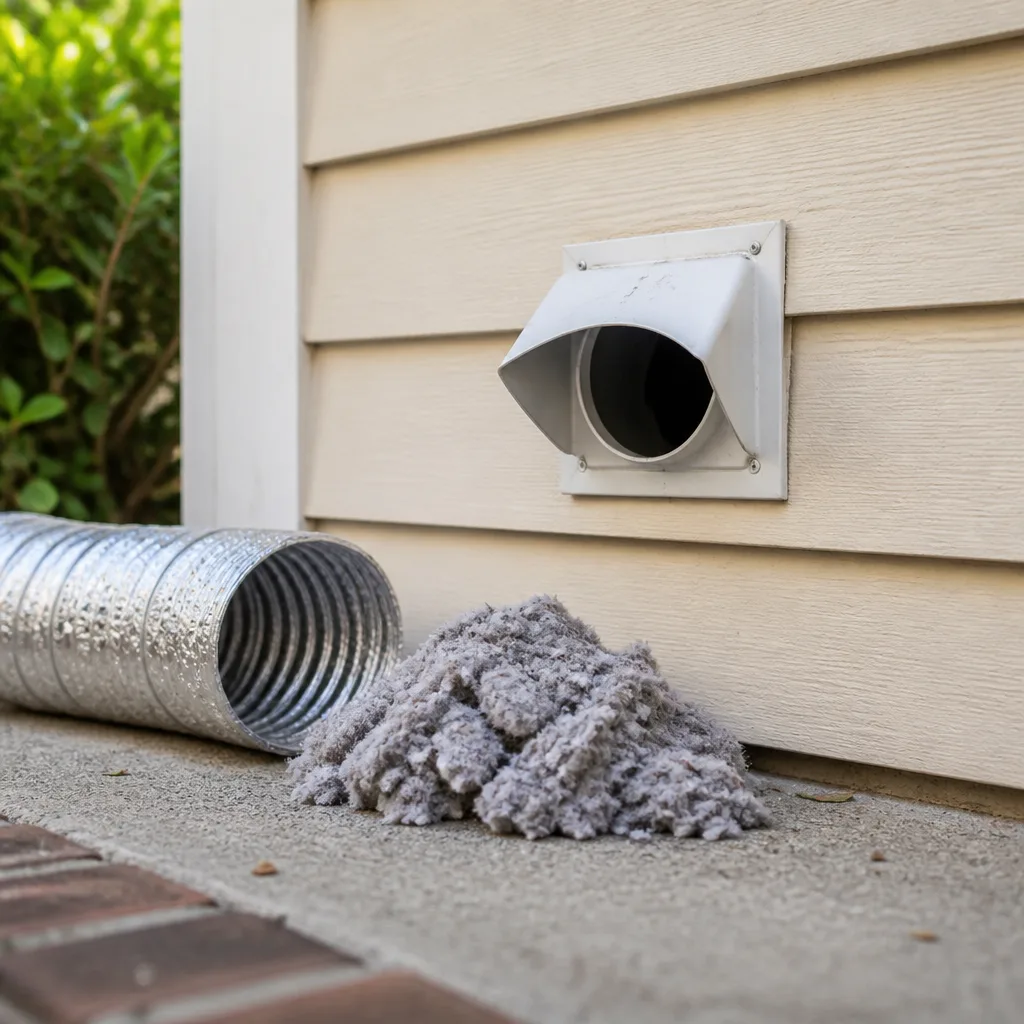 Dryer vent cleaning
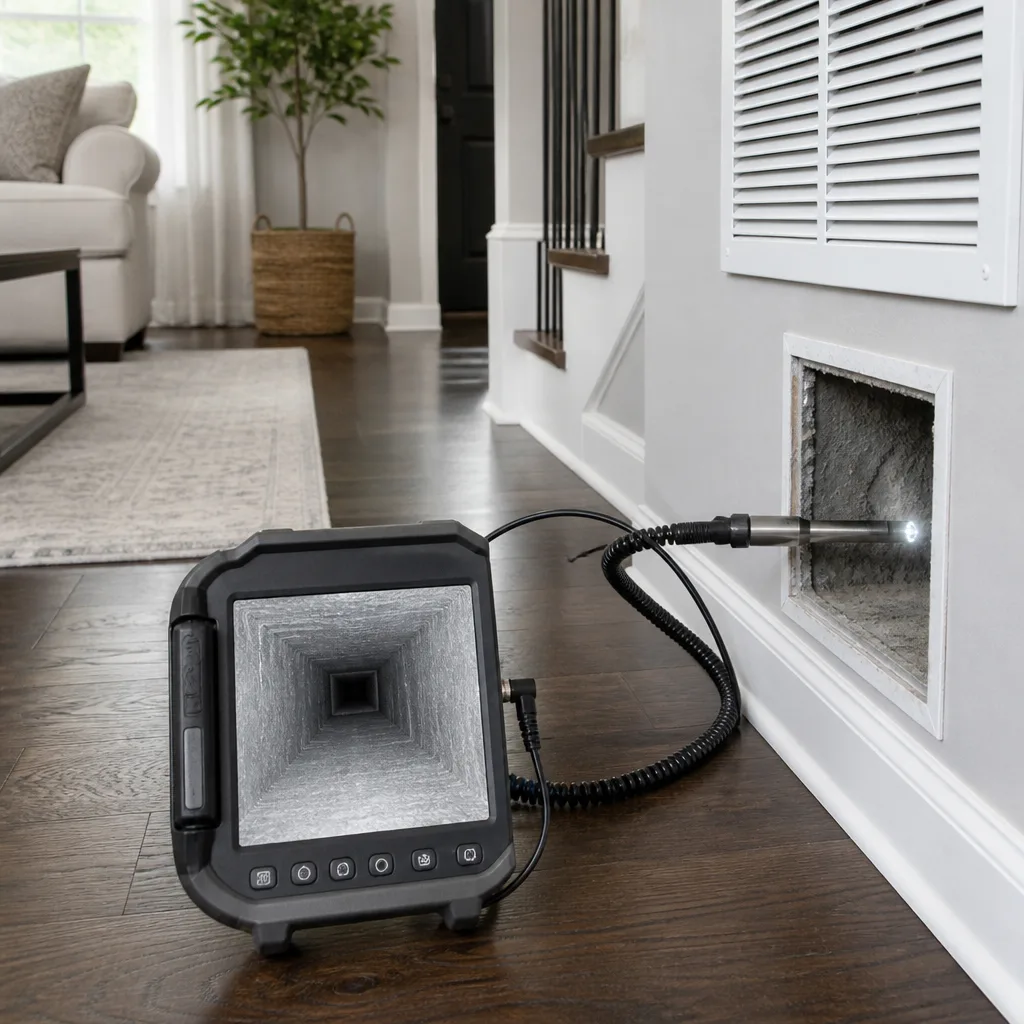 Camera inspection
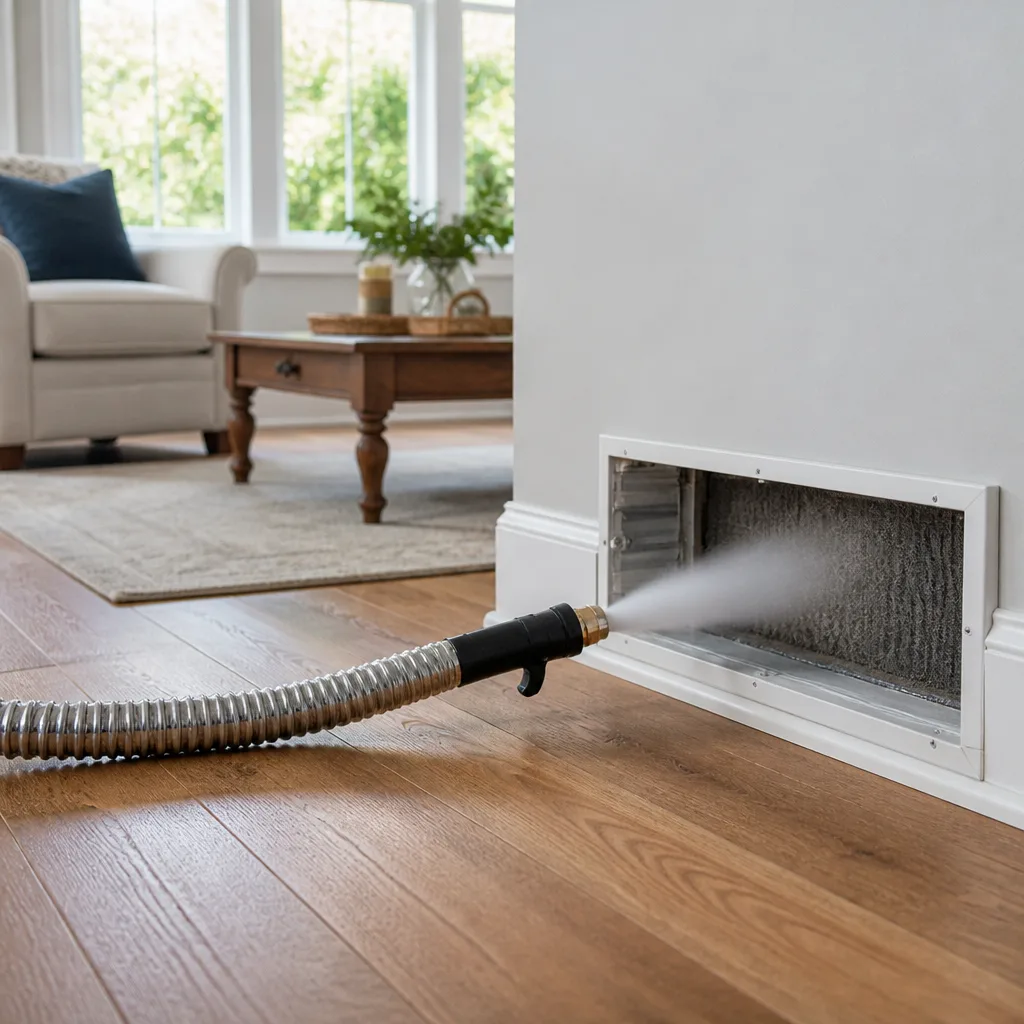 Sanitizing & deodorizing
Whole-system duct and dryer vent check with before-and-after photos - you see exactly what came out of your vents
That "$99 whole-house special" is a bait ad - the real number appears once they are in your hallway, or the "clean" is a shop-vac at the register. We photograph the inside of your ducts before and after instead.
The Complete Guide to Air Duct Cleaning in Layton
A truck-mounted vacuum pulling 4,000 CFM and a $99 “whole-house special” both get advertised as duct cleaning. They are not the same procedure, and the difference shows up in your particle counts, not your receipt. Most homeowners in Layton make this decision based on the language on a flyer, because nobody ever explained what actually happens inside a forced-air system during a real cleaning. This guide fixes that. You’ll learn the equipment names, the mechanical sequence, the standard that governs the work, and how to inspect the results yourself before you pay anyone.
Quick Answer
Air duct cleaning in Layton means mechanically agitating and removing accumulated debris from the supply and return ducts, the registers, the plenum, and the air handler using negative-pressure containment and rotary-brush equipment, then verifying the result with a camera. A proper job follows NADCA’s ACR (Assessment, Cleaning, and Restoration) standard: it assesses the system first, cleans source debris rather than just blowing dust around, and restores the system to a clean condition. If a quote skips the assessment or the verification, it isn’t that standard.
Styles & brands we work with
- Whole-home duct cleaning
- Dryer vent cleaning
- Camera inspection
- Sanitizing & deodorizing
Table of Contents
- Why Layton Ducts Get Dirty Faster Than Most
- What NADCA ACR Standards Actually Require
- The Mechanical Sequence of a Real Cleaning
- Duct Cleaning vs. System Cleaning: The Difference Most Contractors Skip
- What Equipment Should You See on the Truck?
- How to Read Post-Cleaning Verification
- Dryer Vent Cleaning: The Separate Fire Risk
- What Does Air Duct Cleaning Cost in Layton?
Why Layton Ducts Get Dirty Faster Than Most
Layton sits in a bowl. The Wasatch Front traps cold air against the mountains during winter inversions, and that trapped layer holds particulate matter from traffic, home heating, and industry until a storm clears it out. What does that mean for your ducts? Every cubic foot of air your furnace pulls in during an inversion carries fine particulate that the filter doesn’t fully capture. Over a season, that material settles on duct walls, the blower wheel, and the evaporator coil.
Add Davis County’s ongoing residential development. New construction and grading in the area generate fine mineral dust that finds its way into return-air intakes, especially in homes near active building. A home built in the last few years often has construction debris, drywall dust, sawdust, and framing scraps sitting in the duct runs from the build itself. That’s a different problem than ordinary household dust, and it needs mechanical extraction, not a shop-vac pass.
We’ve seen the pattern repeatedly in Layton: a homeowner notices worsening allergies or a musty smell, books a cleaning, and the debris pulled from the returns includes construction-era material from years earlier. The furnace filter did its job on the big stuff. The fine material settled where no filter reaches.
Our technicians have up to 14 years of experience across the Wasatch Front and understand how this climate loads a system. If you want to see what’s actually in your ducts before anyone starts, a proper air duct cleaning assessment will show you.
What NADCA ACR Standards Actually Require
NADCA publishes the ACR standard, which stands for Assessment, Cleaning, and Restoration. It’s the reference document the industry uses to define what a complete duct cleaning job looks like. Most residential cleaners deliver a portion of it. Here’s what the standard actually specifies, in plain terms:
- Assessment first. The contractor inspects the system, documents conditions with photos, and determines whether cleaning is even appropriate. Some systems need repair before cleaning can be done effectively.
- Source removal, not just dust redistribution. Debris is physically removed from the system rather than dislodged and left to settle elsewhere.
- Negative pressure throughout. A vacuum holds the system under negative pressure so disturbed debris travels to the collection unit, not into living space.
- Mechanical agitation of every surface. Brush and air-jet tools contact duct walls, plenum surfaces, and the air handler components.
- Cleaning of components beyond the ducts. The blower, coils, drain pan, and accessible plenum are part of the system, and the standard treats them as such.
- Restoration and verification. The system is returned to a clean, functioning state, and the result is documented.
What most residential cleaners deliver is a version of steps two and three only: a vacuum hooked to one register, a quick pass with a hose, maybe a brush attachment. That approach removes loose dust from the main trunk but leaves adhered material on duct walls, the blower, and the coil. The homeowner gets a cleaner-looking return grille and not much else.
When we assess a Layton system, we treat the ACR sequence as the floor, not the ceiling. You can see what a full Layton Air Duct Cleaning Pros engagement includes when we walk through the scope with you before any work starts.
The Mechanical Sequence of a Real Cleaning
Here’s what a professional-grade duct cleaning looks like step by step. If a contractor’s process skips any of these, debris stays behind. The sequence matters more than the equipment brand, though good equipment makes each step possible.
- System assessment and documentation. The technician maps the duct system, identifies supply and return runs, checks for disconnected or crushed sections, and photographs conditions. This step often turns up a leak or a collapsed flex duct that cleaning alone won’t fix.
- Containment and negative pressure. A high-capacity vacuum and negative-air machine is connected to the system at a strategic point, typically the main trunk or the air handler. The goal is to draw the entire duct system under negative pressure so every disturbed particle travels toward the collection unit, not into the room.
- Register and grille removal. Supply registers and return grilles are removed so the ducts can be accessed directly. This is where a lot of shortcuts happen: a cleaner who leaves the grilles in place can’t reach the branch runs.
- Mechanical agitation. Rotary brush tools, air whips, and contact vacuums are run through every accessible run. Rotary brushes are the important one for adhered debris. Air alone won’t dislodge drywall dust or biological growth from a duct wall.
- Contact vacuuming of the plenum and air handler. The supply and return plenums, blower compartment, and coil face are vacuumed and brushed by hand. This is where the majority of settled debris lives in most systems.
- Sanitizing and treatment (optional but recommended after contamination). A sanitizing product is applied to duct surfaces after mechanical cleaning, not in place of it. It doesn’t remove anything; it addresses what brushing leaves behind on a microscopic level.
- Reassembly and verification. Registers and grilles are reinstalled, the system is checked for airflow, and a camera inspection documents the cleaned condition.
Skipping step four leaves adhered debris. Skipping step five leaves the dirtiest part of the system untouched. Skipping step seven means you have no way to know whether the other six happened.
Duct Cleaning vs. System Cleaning: The Difference Most Contractors Skip
Here’s a distinction that changes what you should expect to pay for and what you should inspect after the job. Duct cleaning cleans the ducts. System cleaning cleans the ducts and the components that move and condition the air. In most homes, the second part matters more.
The components most cleanings skip:
- The blower wheel. This is the fan that pushes air through your system. Over time it accumulates a sticky layer of dust and biological material. A dirty blower wheel moves less air, which raises your energy use and shortens equipment life. Brushing it clean is part of a real system cleaning.
- The evaporator coil. The indoor coil sits in the air stream and collects dust on its fins. A matted coil loses capacity and can freeze. Coil cleaning is a separate step from duct cleaning, and many contractors leave it out.
- The drain pan and condensate line. Standing water in a drain pan is where biological growth starts. If nobody cleans the pan, the growth comes right back.
- The plenum surfaces. The transition boxes between the air handler and the duct system are often the dirtiest surfaces in the entire system because they have the largest surface area and the most turbulence.
We treat duct cleaning and HVAC cleaning as one scope in practice because a system that’s clean in the ducts and dirty in the air handler is still circulating contaminated air. When we schedule a visit, we walk through what will be cleaned and photograph the components before and after so you can see the difference.
What Equipment Should You See on the Truck?
The equipment list tells you how the job will actually be done. Consumer-grade shop vacuums and portable units cannot hold a system under the pressure needed for source removal. Commercial-grade equipment can. Here’s what to look for:
- Rotary brush systems. We use Rotobrush equipment, which is a rotary brush system designed for residential duct work. The brush physically contacts duct walls and breaks adhered debris loose. It’s the same category of equipment commercial contractors use.
- High-capacity negative-air machines. Nikro equipment provides the vacuum and filtration capacity that holds the system under negative pressure throughout the cleaning. The filtration matters as much as the suction; HEPA-grade filtration keeps fine particulate out of the room air.
- Negative-air containment for sensitive spaces. For light-commercial and multi-unit properties, we use Abatement Technologies containment and filtration equipment to isolate the work area from occupied space.
- Sanitizing products. Guardsman products are applied post-cleaning to address biological contaminants on duct surfaces. Application follows mechanical cleaning, never replaces it.
- Camera tools. A duct inspection camera lets the technician see inside runs that can’t be reached by hand. Without one, the verification step is guesswork.
If a contractor shows up with a shop vacuum, a hose, and a brush attachment, the job will not match what we just described.
How to Read Post-Cleaning Verification
Verification is the part of the job most homeowners never ask about, which is why it’s also the part most contractors skip. Here’s how to evaluate what you’re shown after the work is done.
- Camera inspection of representative runs. Ask to see camera footage of at least a main trunk, a long branch run, and a return. The duct walls should look visibly lighter in color than the before photos, with no visible accumulation on the bottom surface.
- Before-and-after photos of the air handler components. The blower wheel, coil, and drain pan should be photographed before cleaning and after. The blower fins should be visibly clearer. The coil should show visible fin separation, not a matted surface.
- Comparison of the same location. The before and after shots should be of the same point in the system. If they’re not, the photos don’t prove anything.
- Airflow check. The technician should confirm that airflow at the registers is at least what it was before cleaning, ideally slightly improved.
- Debris collection check. Ask how much debris was removed. A proper cleaning pulls a substantial volume, especially from a system that hasn’t been cleaned in years. In Layton, construction-era debris from new homes and fine inversion-season particulate both show up in quantity.
What does acceptable residual contamination look like? Some light surface dust on duct walls is normal after a proper cleaning. What’s not acceptable is loose debris on the bottom of a duct, visible matting on a coil, or a blower wheel that still looks like it did before. Our team photographs every system before and after, and we walk through the comparison with you before we leave.
Dryer Vent Cleaning: The Separate Fire Risk
Dryer vent cleaning is a different job from duct cleaning, and it matters for a different reason. The NFPA documents dryer vent lint accumulation as a leading cause of residential house fires. Lint is highly flammable, and it accumulates in vent runs over time, particularly in long runs, runs with elbows, and runs that vent to the roof. In a home where the dryer has been running for years without a vent cleaning, the accumulation is often substantial.
We treat dryer vent cleaning as a dedicated service rather than an add-on. The equipment is different from duct cleaning equipment. The vent run is physically brushed from the dryer connection to the exterior termination point, and the termination is checked for proper function. A clogged exterior flap or a disconnected vent run is a common find, and both are worth knowing about.
Signs your vent needs attention: clothes take longer than they used to dry, the dryer gets hot to the touch on the outside, the laundry room feels humid during a cycle, or lint is visible around the dryer connection. If you’re not sure when it was last cleaned, it’s worth having done.
What Does Air Duct Cleaning Cost in Layton?
Air duct cleaning in Layton is priced per system, not per vent, and a written estimate should be provided before any work starts. Pricing depends on the number of supply and return runs, the length of the runs, accessibility, and whether system components like the coil and blower are included. There is no honest fixed price that applies to every home.
What to expect from a professional-grade estimate: a scope that names the specific components to be cleaned, an itemized list of what’s included versus what’s charged extra, and a written price. If a quote is verbal, unclear, or priced per vent, ask for the written version before booking.
We don’t publish a standard price because every system is different, and we never quote a teaser figure that changes once the technician is on site. We agree on one price for the scope of work, in writing, before the visit. Call us for a free estimate on your system.
Common Mistakes to Avoid
- Booking on price alone. A very low quote is usually a very short job. The coupon price often reflects a hose pass at one register, not a full system cleaning. Ask for the scope in writing before you compare prices.
- Skipping the assessment. If a contractor is willing to quote without looking at your system, they can’t know what scope is appropriate. An on-site assessment should be part of every estimate.
- Leaving the air handler out. A cleaning that doesn’t include the blower wheel, coil, and drain pan leaves the dirtiest part of the system untouched. In Layton homes, this is where the visible contamination usually is.
- Accepting a verbal “you’re all set.” Ask for the before-and-after photos and a camera inspection. If a contractor can’t produce them, you can’t verify the work was done.
- Treating dryer vent cleaning as optional. Lint accumulation is a documented fire risk, and it doesn’t clear itself. If your dryer has been running for years without a vent cleaning, schedule one.
- Assuming a new home has clean ducts. In Davis County’s new construction, drywall dust, sawdust, and framing debris routinely end up in the duct system. A cleaning after construction is standard practice.
- Confusing sanitizing with cleaning. Applying a sanitizing product to dirty duct work doesn’t clean anything. Sanitizing follows mechanical cleaning; it never replaces it.
See the difference
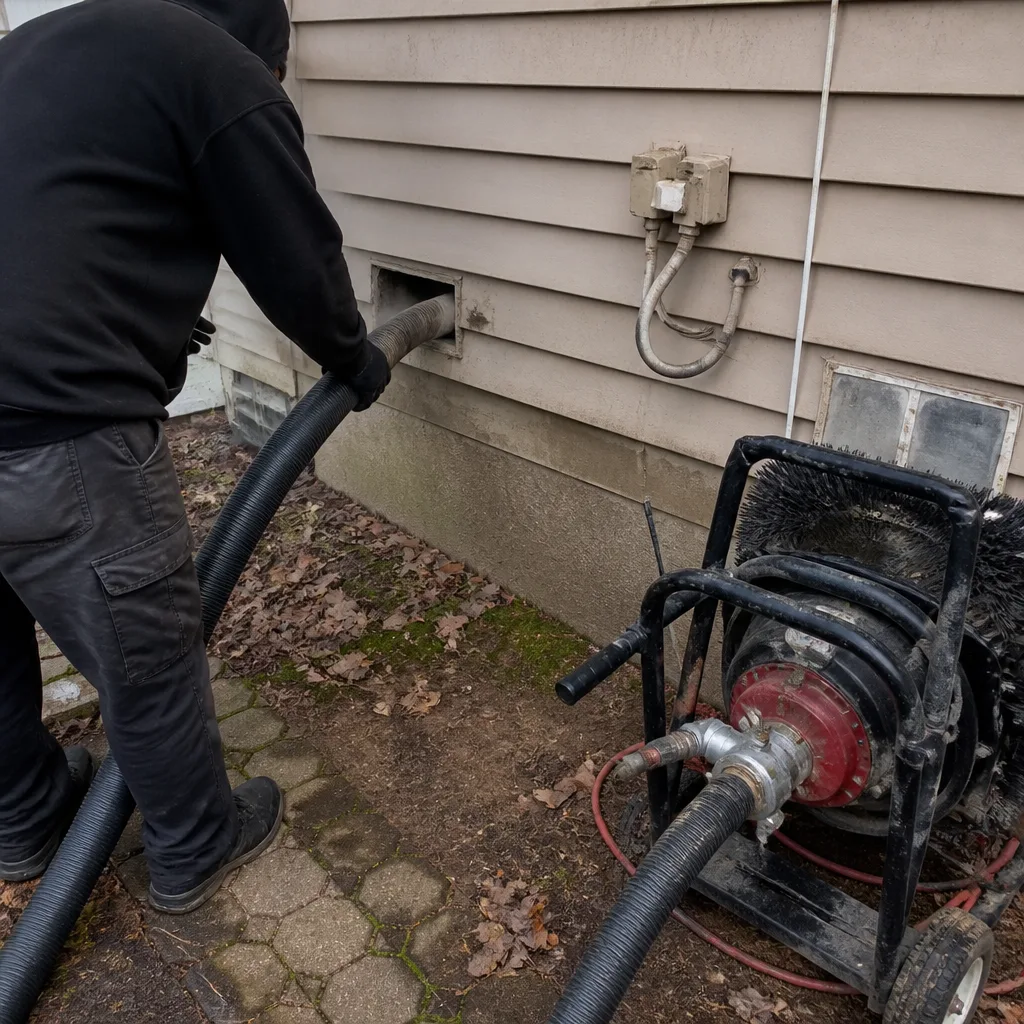 Before
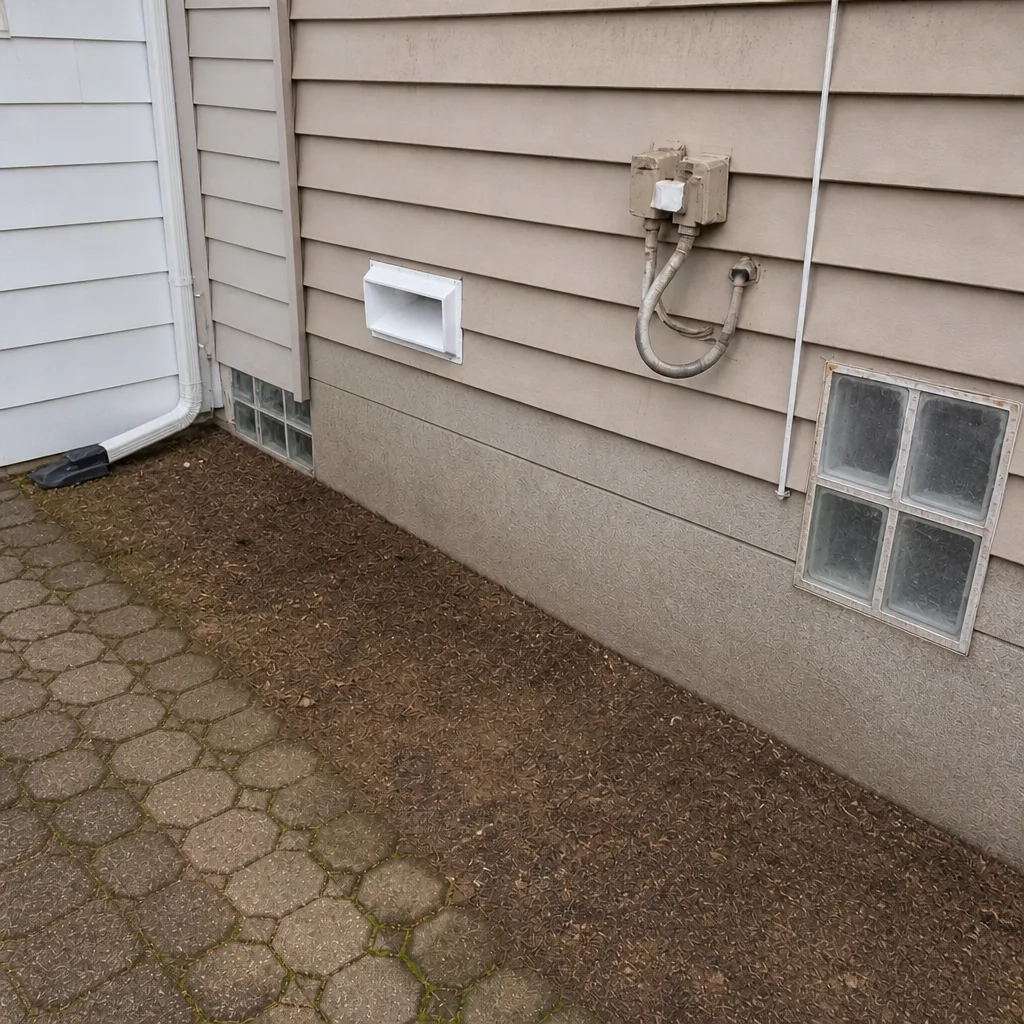 After
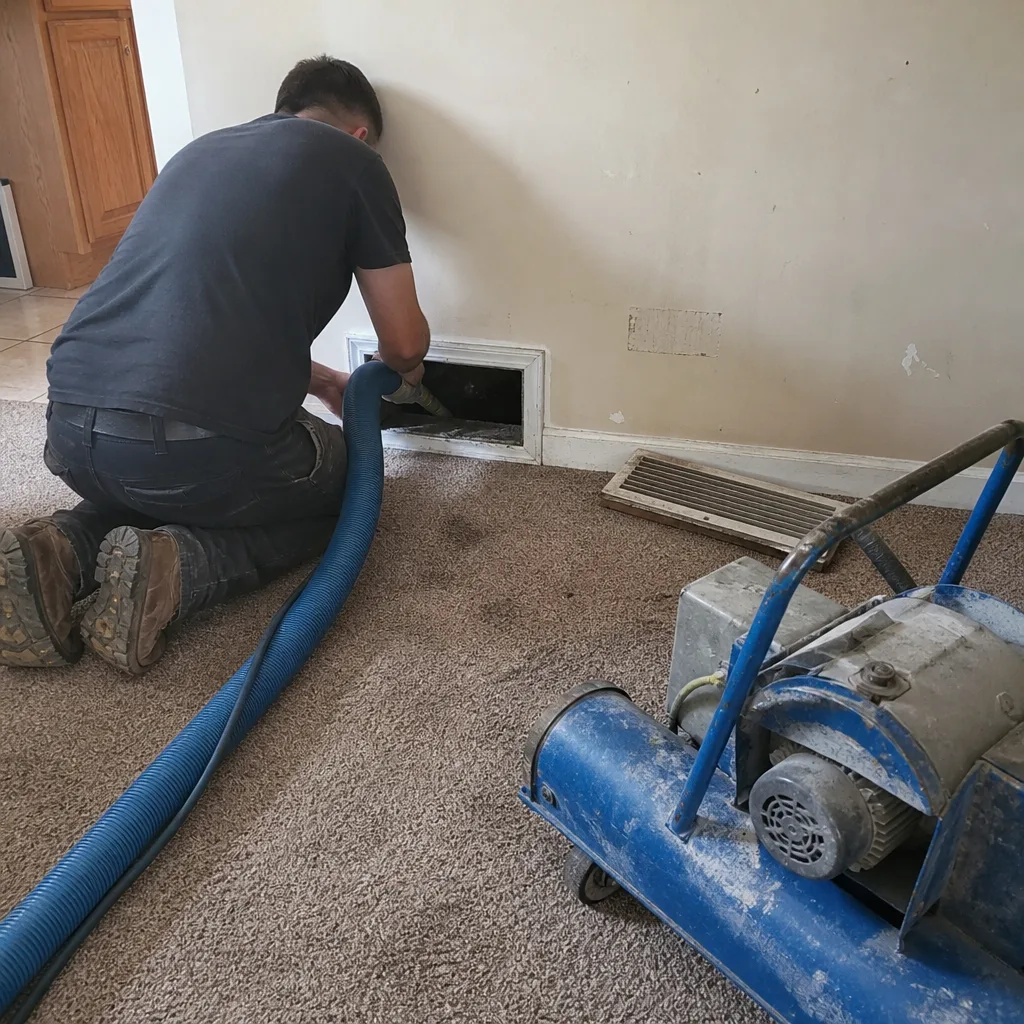 Before
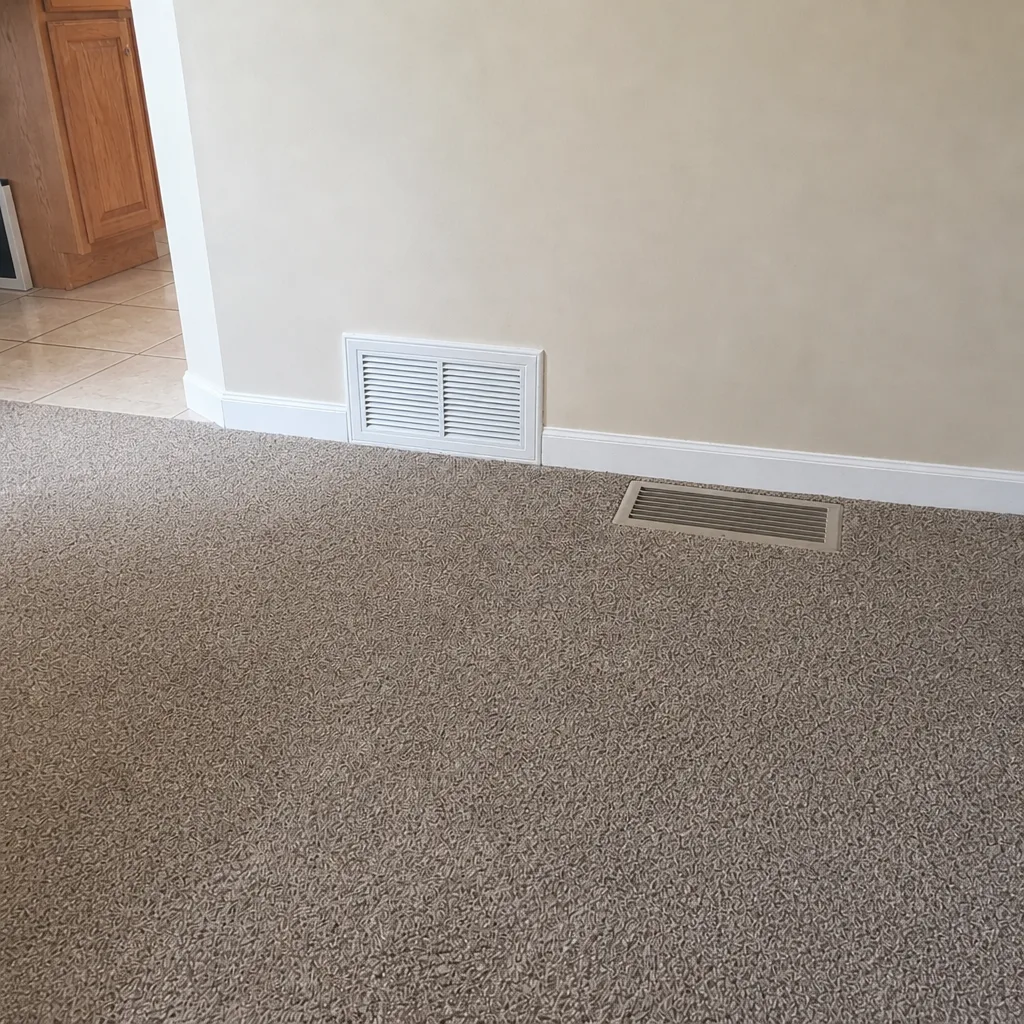 After
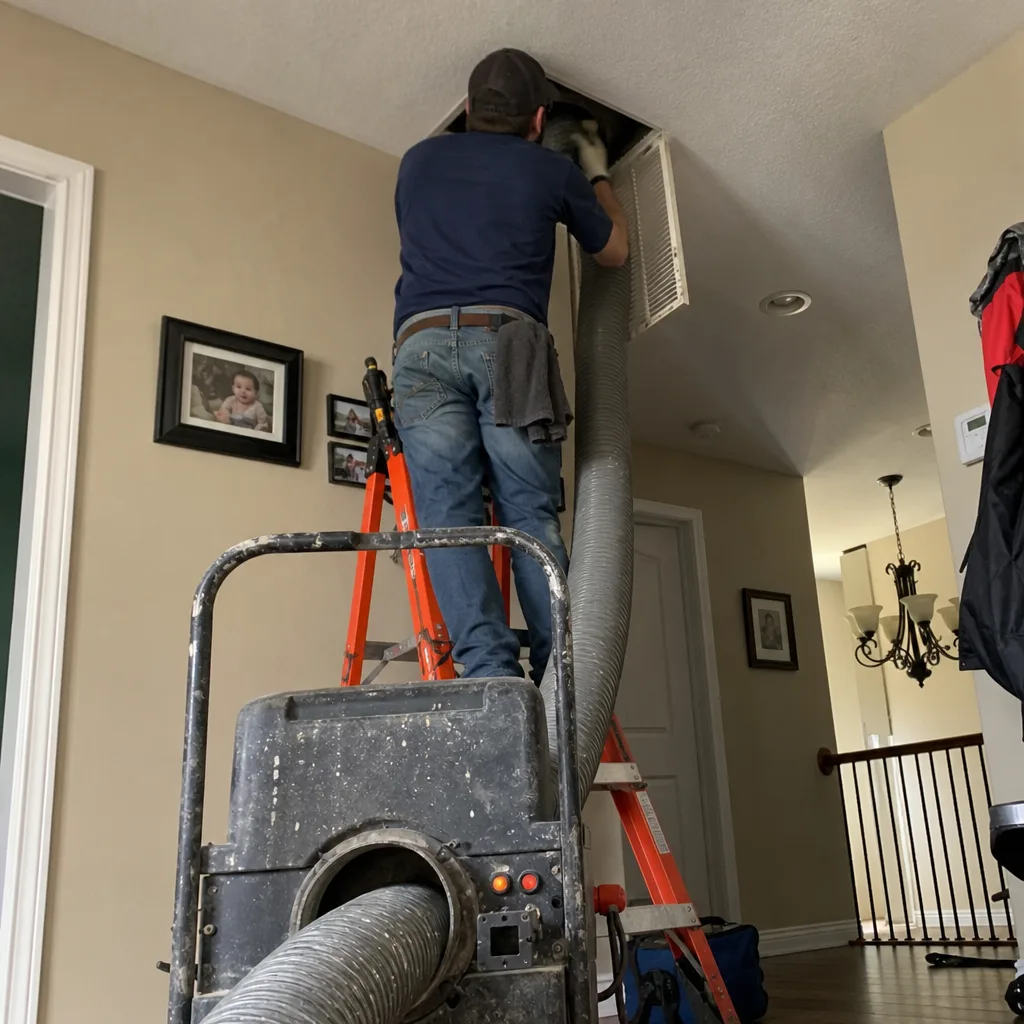 Before
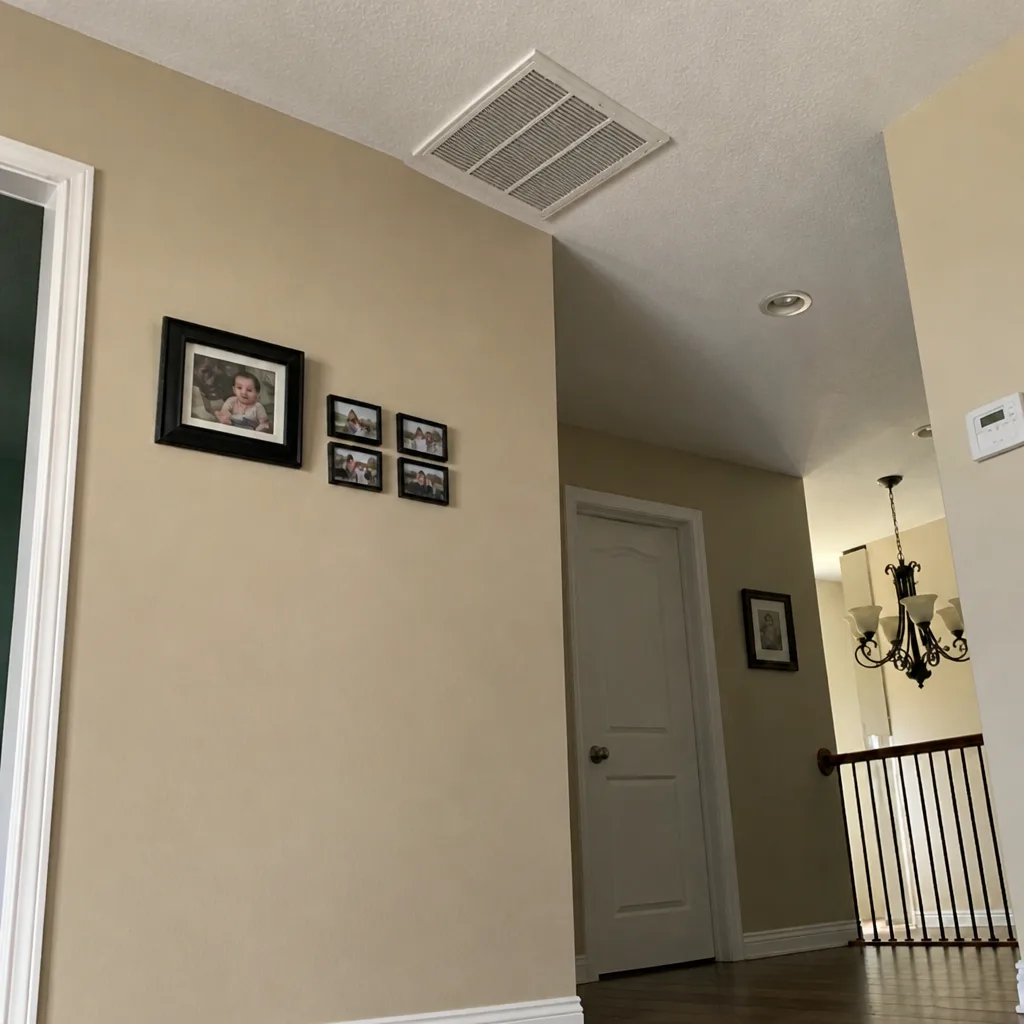 After
When to Call a Professional
Some situations call for a professional cleaning rather than a home attempt. If you’ve noticed worsening allergies or asthma symptoms since moving into your Layton home, a musty smell coming from the registers when the furnace or AC runs, visible dust buildup on the register grilles after recent cleanings, or a noticeable rise in energy bills that can’t be traced to weather or equipment, the system is worth inspecting. If you’re a property manager dealing with recurring tenant complaints about dust or odor, a system-level assessment is the right starting point. If your home was recently built or renovated, settled construction debris in the duct runs is common. If it’s been more than a few years since the ducts or the dryer vent were cleaned, a visit is overdue. Layton Air Duct Cleaning Pros offers free estimates in Layton – call (855) 726-7045. We answer 24/7. Fast dispatch from 7am to 7pm, Sunday through Friday.
Frequently Asked Questions
The cost depends on the number of runs, accessibility, and whether HVAC components like the coil and blower are included. Pricing is per system and set by a written estimate before work starts. We don’t quote teaser prices, and we don’t price per vent. Call (855) 726-7045 for a free estimate.
Cheap quotes usually describe a shorter job: one vacuum connection, a hose pass, and no component cleaning. A full source-removal cleaning with rotary brush agitation, negative-air containment, and HVAC component cleaning takes more time and equipment. When you compare quotes, compare the scope of work, not just the number. Call (855) 726-7045 and we’ll walk through what a full scope includes for your home.
Ask for before-and-after photos of the same locations, camera inspection footage of representative duct runs, and photos of the air handler components. A contractor who completed the work will have those. Our team photographs every system before and after cleaning, and we go through the comparison with you. Call (855) 726-7045 to schedule.
For a typical Layton home, every three to five years is reasonable, and sooner after new construction, renovation, a pest issue, or water intrusion. Homes near active building in Davis County and homes that run the furnace hard through winter inversions may need it more often. If you’re not sure, an inspection is quick and free. Call (855) 726-7045.
Yes. During winter inversions, trapped cold air against the mountains concentrates fine particulate in the valley, and every cubic foot your system pulls in carries some of it. Your filter catches the larger particles, but fine material settles in duct walls and on blower wheels over time. If you run your furnace hard through the season, an inspection at the end of winter is a sensible habit.
We clean the full system: ducts, blower wheel, evaporator coil, drain pan, and plenum surfaces. Cleaning the ducts and leaving the components is a partial job, and it’s the most common shortcut in the industry. If you want to know what’s in your system before we start, call (855) 726-7045 for a free estimate.
The Bottom Line
A proper duct cleaning is a mechanical process with named equipment, a documented sequence, and a verifiable result. In Layton, where inversion-season particulate and ongoing Davis County construction both add load to forced-air systems, the difference between a real cleaning and a hose pass shows up in your home’s air and your system’s efficiency. If you take one thing from this guide, make it this: compare scope, not price, and ask for the before-and-after photos. That one question filters out most of the shortcuts. We’re ready to show you what your system actually needs.
Call (855) 726-7045 for a free estimate on air duct cleaning, dryer vent cleaning, HVAC cleaning, duct repair, or air quality treatments in Layton. We answer 24/7. Fast dispatch from 7am to 7pm, Sunday through Friday.
Written by the team at Layton Air Duct Cleaning Pros.