
Last updated November 25, 2026
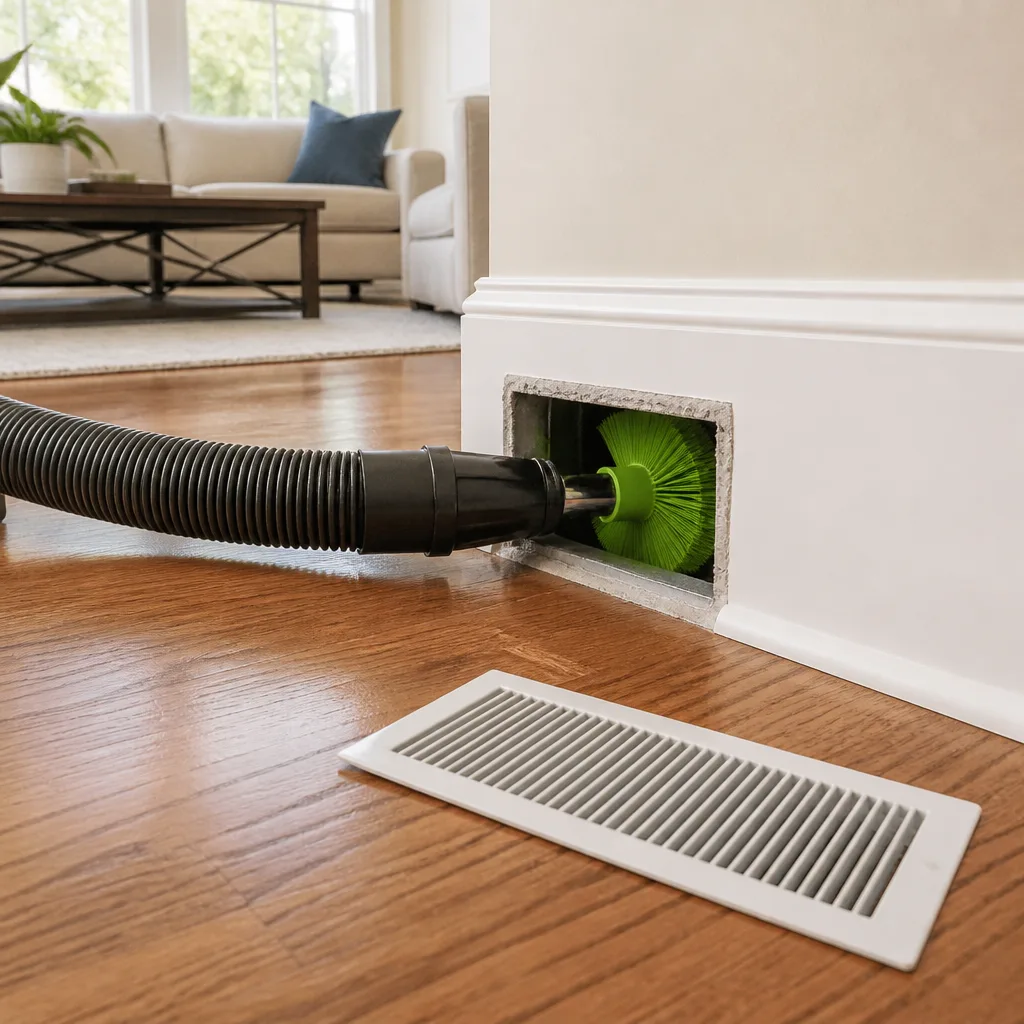 Whole-home duct cleaning
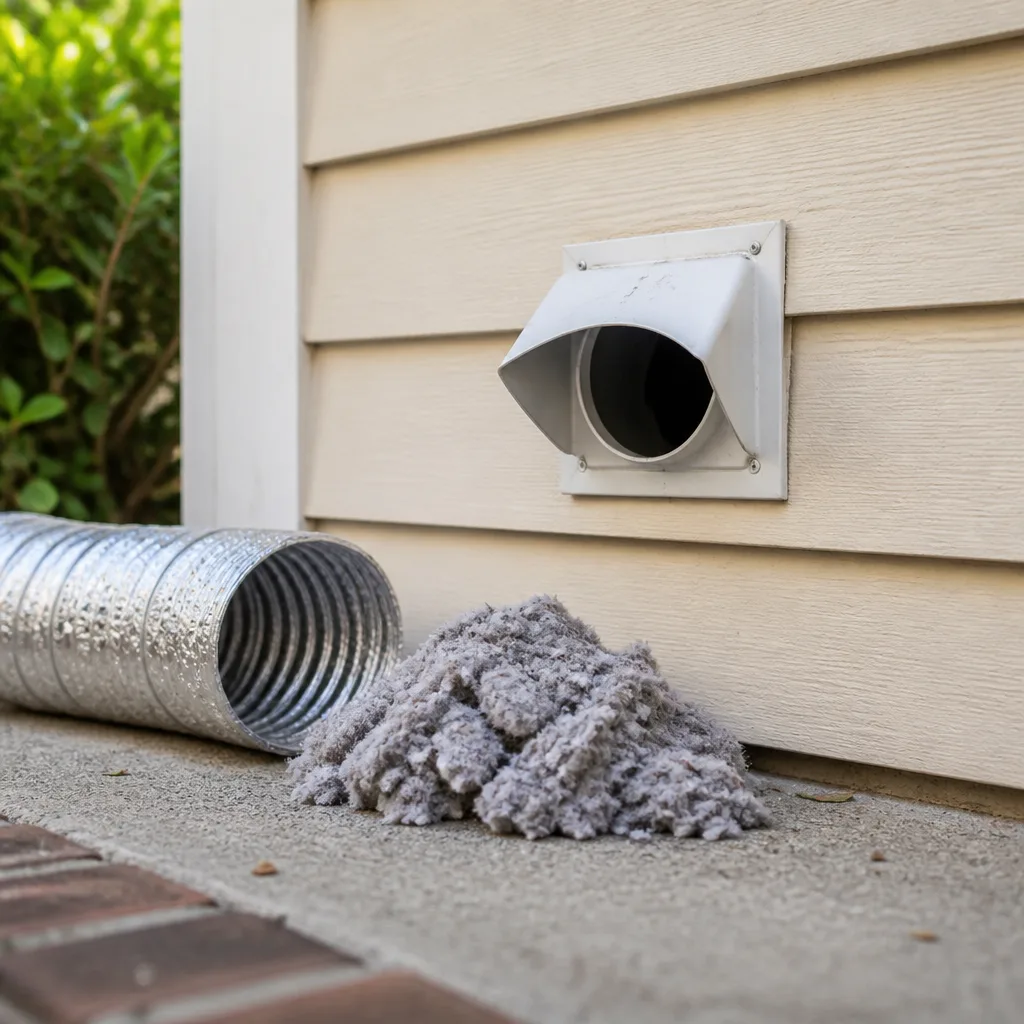 Dryer vent cleaning
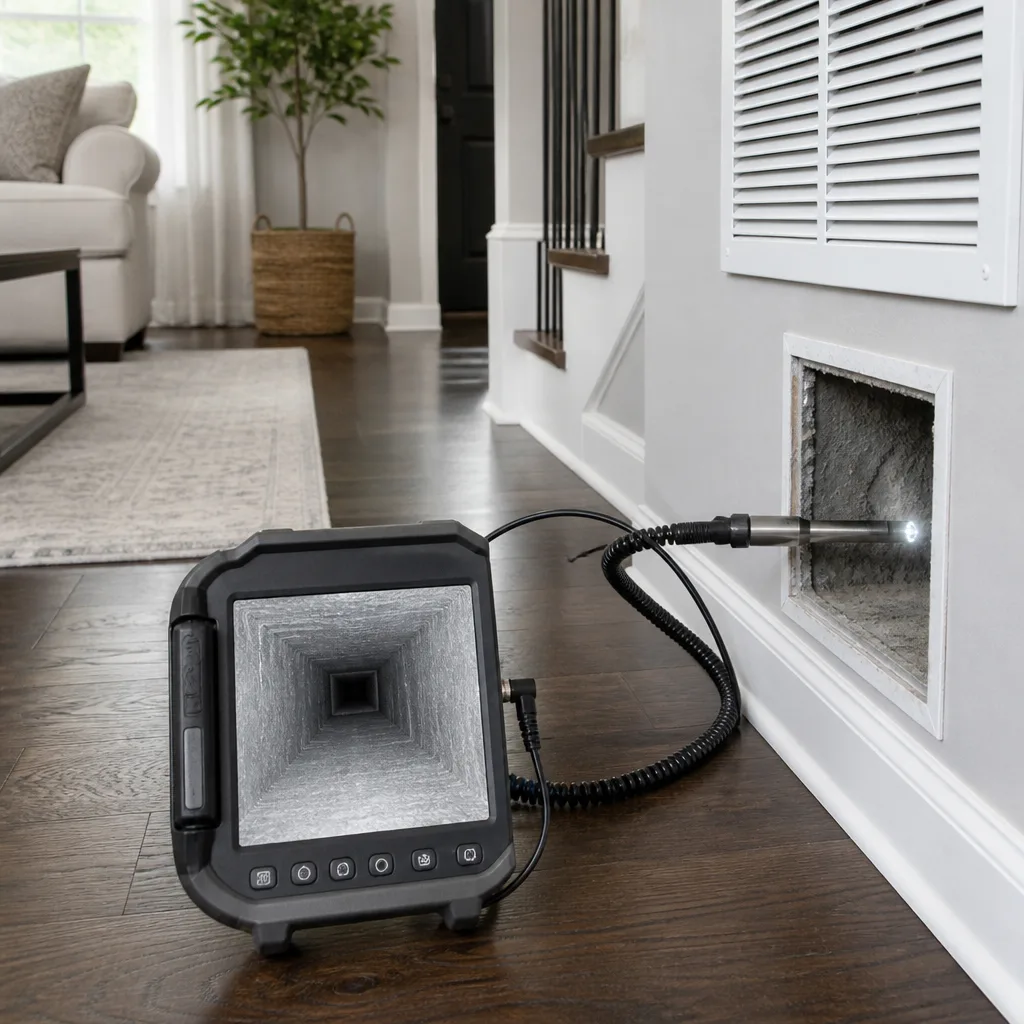 Camera inspection
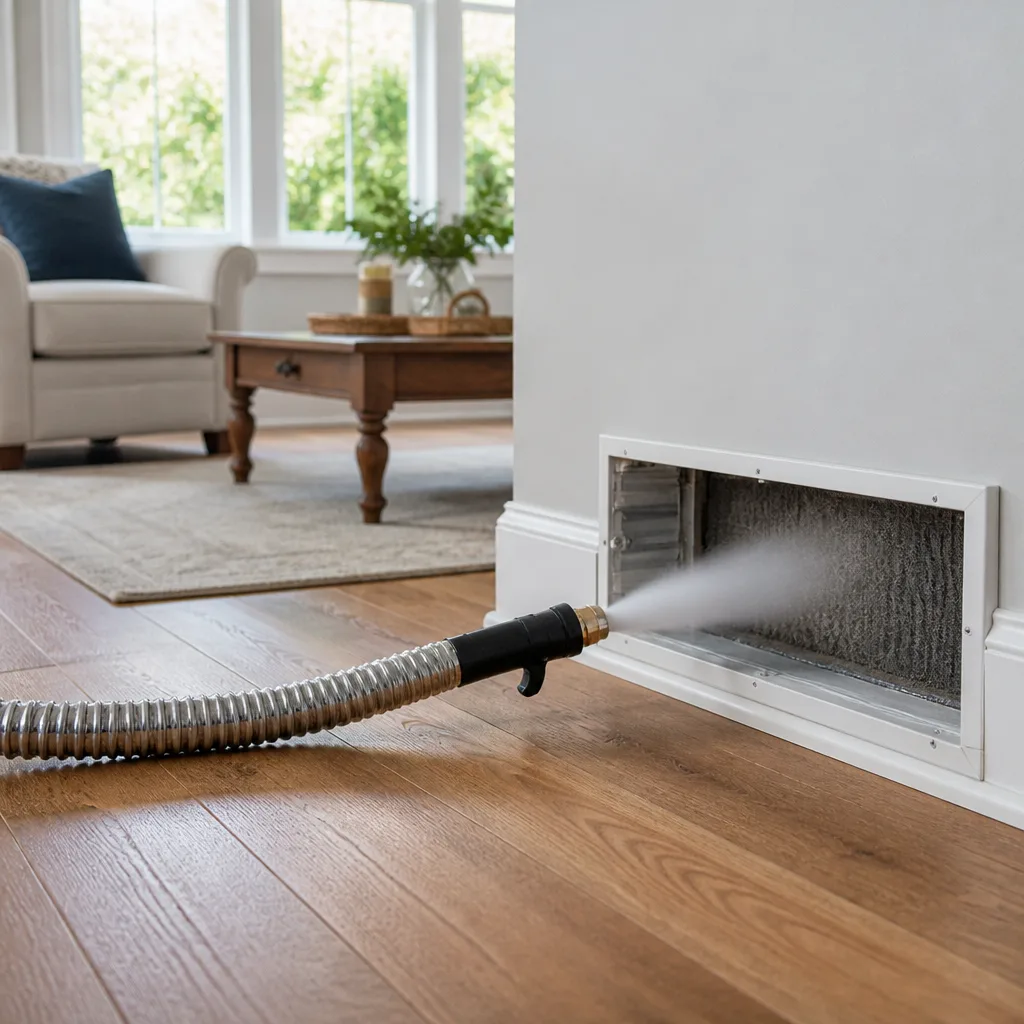 Sanitizing & deodorizing
Whole-system duct and dryer vent check with before-and-after photos - you see exactly what came out of your vents
That "$99 whole-house special" is a bait ad - the real number appears once they are in your hallway, or the "clean" is a shop-vac at the register. We photograph the inside of your ducts before and after instead.
How to Hire an Air Duct Cleaning Contractor in Layton: A Step-by-Step Guide
Utah does not require a specialty license to call yourself an air duct cleaner. That single fact explains most of what goes wrong when Layton homeowners hire one. There is no state board checking equipment, no exam on negative pressure, and no minimum standard for what “cleaning” even means. The only real credential gatekeeping in this trade is NADCA membership, and very few companies serving Davis County hold it. So when a van pulls up with a shop vacuum and a cheerful flat rate, nothing about the law stops them. This guide teaches you to audit the equipment and the procedure before you sign anything, so you can tell a specialist from a generalist in about ten minutes of asking the right questions.
Quick Answer
Hire an air duct cleaning contractor in Layton by verifying three things before you book: that they use a vacuum rated at 4,000 CFM or higher in negative-pressure mode, that they agitate the ducts with a rotary brush or air whip rather than just vacuuming open registers, and that they hold NADCA membership or follow the ACR standard that membership obligates. Price and online reviews alone will not separate a specialist from a shop vac with a logo. Ask for equipment specifics in writing, walk through the quote line by line, and request inspection photos when the job is done.
Styles & brands we work with
- Whole-home duct cleaning
- Dryer vent cleaning
- Camera inspection
- Sanitizing & deodorizing
Table of Contents
- Why Utah Has No License Gate, and What That Means for You
- The Five Equipment Questions to Ask Before Booking
- How to Decode a Duct Cleaning Quote
- NADCA Membership and What the ACR Standard Requires
- Red Flags Specific to Layton and Davis County
- What a Real Cleaning Visit Looks Like, Step by Step
- What to Ask For After the Job Is Done
- Where This Fits With the Rest of Your System
Why Utah Has No License Gate, and What That Means for You
There is no state license class for air duct cleaning in Utah. A general contractor’s license covers building and remodeling, not duct cleaning methodology, and nothing in Utah code requires anyone to prove they know what negative pressure means before charging for a job. This is not a small administrative detail. It means the burden of verifying competence falls entirely on the homeowner in Layton, and it moves the entire hiring question away from paperwork and toward process.
What fills the gap is voluntary. The National Air Duct Cleaners Association (NADCA) publishes a standard called ACR, short for Assessment, Cleaning, and Restoration, and it sets out how a job should be scoped, agitated, extracted, and documented. A company that belongs to NADCA has agreed to that standard at least on paper, and you can verify membership through NADCA’s own directory rather than taking a van’s word for it. Few companies serving Davis County appear in that directory. That scarcity is useful. It gives you a hard yes-or-no to check instead of a soft impression built from a website.
Practically, this means your vetting should center on three closing questions:
- What is the CFM rating of your vacuum, and is it running in negative pressure?
- What agitation tool do you use inside the duct, and what are its bristle or whip material and dimensions?
- Are you a current NADCA member, and will you work to the ACR standard on this job?
Anyone who can answer those three specifically is in a different category from someone who cannot. That distinction matters more in Layton than any star rating, because the ratings are easy to accumulate and the equipment facts are not.
The Five Equipment Questions to Ask Before Booking
Equipment is the single most reliable proxy for method. A specialist will answer these questions in detail because the answers are the point. A generalist will pivot to price. Ask all five and listen for specificity.
- Vacuum CFM rating. A true duct cleaning vacuum should be rated in the thousands of cubic feet per minute. Consumer shop vacuums and small portables run nowhere near that. Ask for the number in CFM and whether the unit is HEPA-filtered. Our own systems run on professional-grade Nikro and Rotobrush equipment built for commercial-scale extraction, and we’ll tell you the specs without hesitation.
- Agitation method. Vacuuming alone does not dislodge dust adhered to duct walls. Ask whether they use a rotary brush, air whip, or both, and what diameter tools they carry. Rotobrush rotary systems are the standard for residential trunk and branch lines. Cable-driven brushes and whips are the standard for larger commercial runs.
- Truck-mount versus portable. A truck-mount vacuum in the thousands of CFM is the benchmark for a whole-house job. A portable unit can work, but the smaller it is, the more the job depends on agitation quality to make up for reduced airflow. Ask directly and note the answer.
- Camera inspection. Ask whether they use a duct camera to inspect trunk lines, transitions, and plenum interiors before and after cleaning. Camera documentation is the difference between “we cleaned it” and proof of what condition the system is in.
- Negative-pressure verification. This is the one most homeowners skip. Ask how they verify the system is actually under negative pressure during the job, meaning air is being pulled into the vacuum rather than blown back into the home. A specialist will describe how they seal the supply and return openings and check the setup before agitating. That detail separates a technician from a guy with a hose.
If you want to see how these answers translate into a full-service approach, the air duct cleaning page outlines our process in detail. But the point of the five questions is to give you a benchmark you can apply to any contractor, not just us. Ask them cold, and the answer tells you what you need to know.
How to Decode a Duct Cleaning Quote
A quote is a diagnostic document. What it includes and, more tellingly, what it leaves out, tells you how the job will be scoped. A real quote for a Layton home should have clear line items and a total that maps to the work described. A suspiciously low flat rate nearly always signals scope that hasn’t been thought through or add-on pricing waiting on the other side.
Line items that should appear on a legitimate quote:
- Number of supply and return registers and the number of trunk and branch runs being cleaned.
- Agitation and extraction method being used, with equipment type named.
- Any sealing or repair work identified during the assessment.
- Optional sanitizing treatment, listed separately and priced as an option, not baked in without explanation.
- Any HVAC cleaning of the air handler and blower, if you’ve opted in.
Add-ons fall into two buckets. Legitimate add-ons are tied to a condition the technician can show you, usually on camera: a torn flex duct, a disconnected run, a blower with heavy buildup, or a dryer vent packed with lint. Upsells are add-ons offered without inspection, at the door, in a way that implies you need them to do the job correctly. If a technician quotes a sanitizing treatment before they’ve looked inside the system, that’s a red flag, not a courtesy. When we offer it, it’s because we’ve seen what’s there and the chemistry is named. We use Guardsman-based sanitizing products, and a treatment only makes sense after mechanical cleaning is complete.
The other question to ask of any quote: does the total include a written scope of what won’t be cleaned? A kitchen exhaust that isn’t part of the job, a dryer vent that’s quoted separately, a garage run that’s been disconnected; all of these should be named. A quote that doesn’t say what’s excluded should be read as “we haven’t inspected your system yet.”
NADCA Membership and What the ACR Standard Requires
NADCA membership is the closest thing to a credential in this trade. You can verify it directly through NADCA’s public directory, and we recommend doing so before any other call. Membership obligates a company to work to the ACR standard, which describes how a job moves through four phases: assessment, cleaning, verification, and documentation.
What that means on site, in plain terms:
- Assessment. The technician inspects the system before cleaning, not after. That means opening access points, running a camera through trunk lines and plenums, and noting conditions: loose debris, moisture, biological growth, disconnected runs, damaged flex duct, or pest activity.
- Source removal. The ACR standard is built around removing contaminants from the source, not sealing them in or blowing them around. Agitation plus negative-pressure extraction is the method; sealing ducts with the debris in place is not.
- Verification. After cleaning, the technician verifies that the system has been cleaned to standard, typically with visual inspection and camera documentation of the same areas inspected at the start.
- Documentation. The job ends with a written record: what was cleaned, what was found, what was repaired or recommended, and any readings taken if testing was performed.
The practical value of choosing a NADCA member is that you can hold them to a published standard. If a non-member does a bad job, your only recourse is a complaint and a bad review. If a member does, you can point to ACR and ask them to make it right. That’s a meaningful difference, and it’s why we recommend starting every contractor search with the directory.
It’s worth saying plainly that NADCA membership is not a guarantee of quality. A company can hold membership and still do rushed work. But the standard is public, auditable, and specific, and a member has committed to it. That’s more than you get anywhere else in Utah duct cleaning.
Red Flags Specific to Layton and Davis County
The Layton market has a few patterns worth knowing, and they tend to repeat. The most common is the out-of-area blitz: a company with a Utah address but crews based well outside Davis County running a discount campaign through a specific neighborhood or shopping center, working fast, and disappearing. The line items on those jobs usually tell the story after the fact, not before, which is exactly why you ask the five equipment questions up front. If the answer is vague, the operator is a passer-through.
Door-to-door duct cleaning is a red flag on its own. Legitimate duct cleaning is a scheduled service with a scoped quote, not a cold visit. The pitch usually involves a heavy discount contingent on “doing a few homes in the neighborhood today,” which means the technician has no time to scope your system and no pressure to follow the standard. A vacuum running through the house in an hour is not a duct cleaning job, whatever the invoice says.
Sanitizing add-ons deserve their own warning. A “sanitizer” with no named chemistry is a smell, not a treatment. Ask what active ingredient is in the product, and whether it’s registered for use inside HVAC systems. Our sanitizing uses Guardsman-based products, applied after mechanical cleaning, and we’ll tell you exactly what’s being applied and why. If a contractor can’t name the chemical or describe its intended use, skip the add-on.
A few more local tells:
- Quotes that bundle cleaning, sanitizing, and “sealing” into a single discount price with no line-item detail. That usually means the quote isn’t based on your system.
- Offers to “check” one room for free as a lead-in to a whole-house job. That’s a sales funnel, not an inspection.
- No written scope, no camera documentation, no written summary after the job. All three should be standard.
- A blanket refusal to give equipment specs. Anyone genuinely running professional equipment is happy to name it.
What a Real Cleaning Visit Looks Like, Step by Step
A duct cleaning visit from a specialist has a predictable rhythm. Knowing it protects you from getting a bargain job that doesn’t actually clean.
- Walkthrough and scope confirmation. The technician reviews what’s on the quote, walks the house, identifies all supply and return registers, and locates the air handler and any accessible trunk lines.
- Negative-pressure setup. The vacuum is connected to the main trunk or plenum, and supply and return openings are sealed so the system is under negative pressure before agitation begins. Air is being pulled in, not blown back into the home. This step gets skipped by generalists and it’s the reason they leave dust everywhere.
- Access creation. Small access holes may be cut into ductwork to reach trunk and branch runs with the rotary brush or air whip. These are sealed afterward. If a technician can’t describe how the access holes will be sealed, that’s a scope problem.
- Agitation. Rotary brush and air whip work through the system, dislodging debris from duct walls so the vacuum can extract it.
- Extraction. The vacuum runs throughout, pulling loosened debris out of the system and into the collection unit.
- HVAC cleaning, if scoped. The air handler, blower wheel, and drain pan get cleaned if that’s part of the job. If the quote is silent on it, ask whether it’s included. Our HVAC cleaning page covers what that work adds.
- Verification. The technician inspects with a camera to confirm the system is clean and the access holes are sealed properly.
- Documentation. Before-and-after photos, a written summary of what was found and done, and any recommendations or follow-ups are handed over.
Repair and sealing can happen in the same visit if something is found during inspection. Torn flex duct, an unsealed joint, or a disconnected run are all things that make cleaning meaningless if they’re left alone. Our own crews handle duct repair and sealing in the same appointment for that reason. When the ducts leak, cleaning them doesn’t fix the pressure balancing or the energy loss, and the homeowner ends up paying twice.
Dryer vent cleaning is often bolted onto a duct job as an afterthought, but it’s a fire-safety concern, not a chore. NFPA data identifies lint accumulation in dryer vents as a leading contributor to residential house fires. It should be a dedicated service with a dedicated process: full vent disassembly or rotary cleaning, lint extraction, airflow verification. Our dryer vent cleaning page covers the specifics. If a contractor is willing to “toss in a dryer vent” for a small add-on, ask what process they’ll use. The answer tells you whether it’s real.
What to Ask For After the Job Is Done
The job isn’t over when the vacuum shuts off. It’s over when you have documentation of what was found, what was done, and what the system looks like now. Ask for three things at handoff, and ask before the visit so it’s understood from the start.
- Inspection photos. Before-and-after photos of the trunk lines, plenums, and any areas with heavy debris. If the company uses a duct camera, ask for frames from the same locations before and after.
- A written summary of conditions found. Debris types (fine dust, construction dust, lint, biological growth, pest debris), any damaged or disconnected runs, any access holes cut and sealed, and any repair recommendations with a timeframe.
- Documented readings, if testing was performed. If the contractor did any mold or allergen testing, ask for the readings themselves and who performed the analysis. If nothing was tested, ask them to say so in the write-up. “No testing performed” is itself useful information.
These documents serve two purposes. First, they let you track the system over time; in a dry, dusty climate like Layton’s, duct condition changes with seasons and construction activity, and having a baseline makes it easier to spot real changes. Second, they give a future contractor something to work from, which usually shortens the next visit and improves the scope. If a contractor refuses to give you photos or a written summary, that alone tells you what you need to know about the job you just received.
Common Mistakes to Avoid
- Hiring on the lowest quoted flat rate. A low flat rate is often a scope signal, not a bargain. It usually means the job was scoped on the phone, and the equipment and time allocated to your Layton home will be the minimum required to put something on an invoice.
- Not asking about agitation. Vacuum-only “cleaning” leaves dust attached to duct walls untouched. If the contractor can’t describe a rotary brush, air whip, or comparable mechanical tool, you’re getting a vacuum pulled over the registers, not a cleaning.
- Assuming a general contractor’s license proves duct competence. In Utah, it doesn’t. Ask about NADCA membership and work to the ACR standard instead.
- Accepting sanitizing as a bundled all-in price. Sanitizing is a legitimate treatment only after mechanical cleaning, with a named product. Bundled “sanitizer” line items with no chemistry described are a common upsell in Davis County.
- Skipping the post-job documentation. Photos, a written summary, and any readings are the only evidence you have that the job was done. Ask for them and keep them.
- Ignoring the dryer vent. Treating dryer vent cleaning as an add-on sidesteps a genuine fire-hazard concern. Book it as its own service with its own process.
- Cleaning ducts without addressing leaks. A dirty duct with a disconnected run or torn flex is still a problem after the vacuum shuts off. Ask about inspection and repair as part of the same job.
See the difference
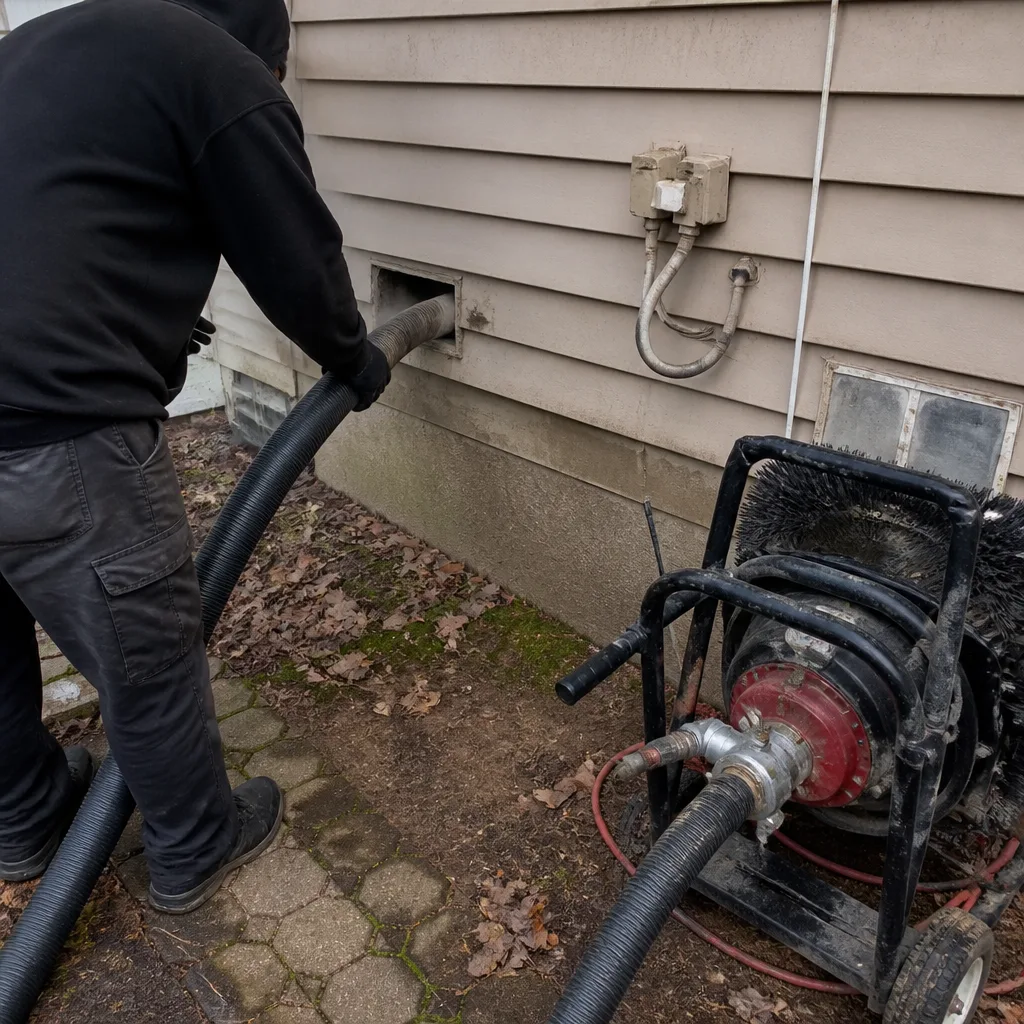 Before
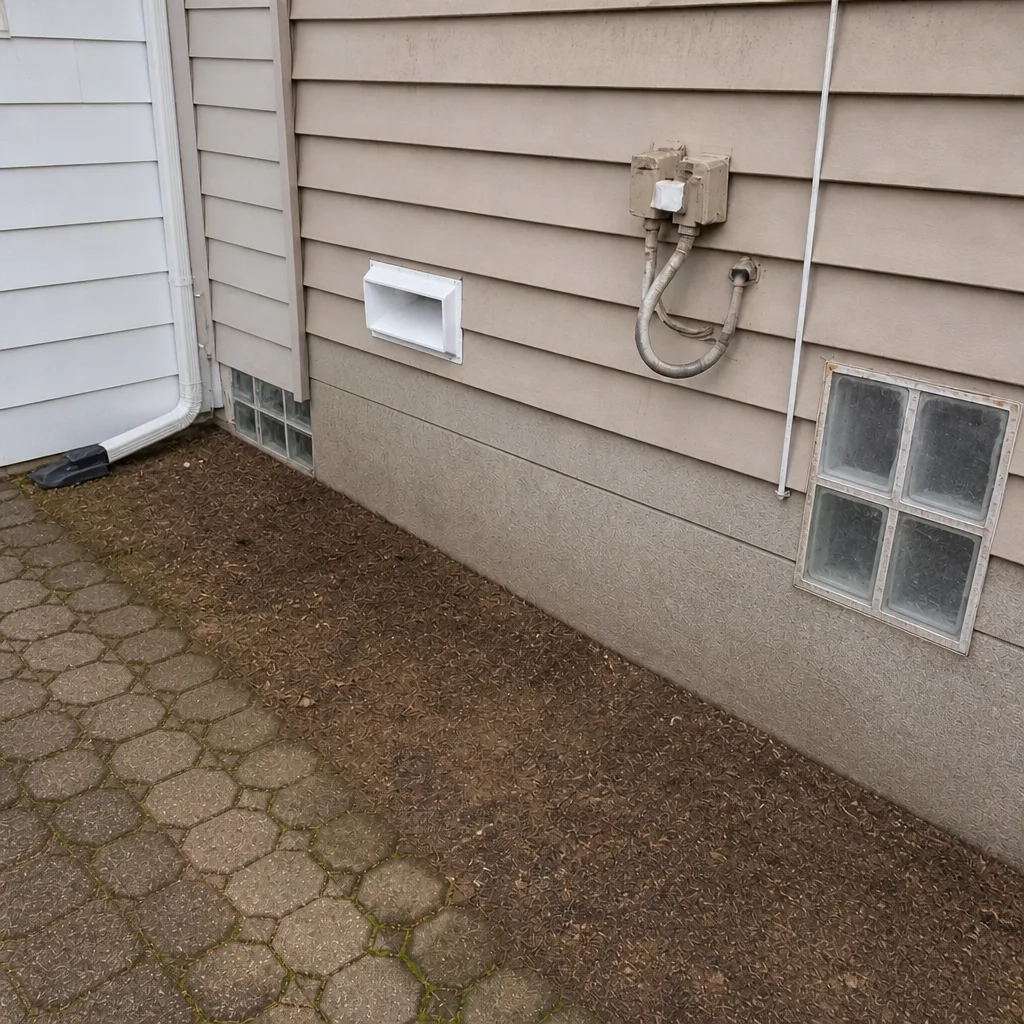 After
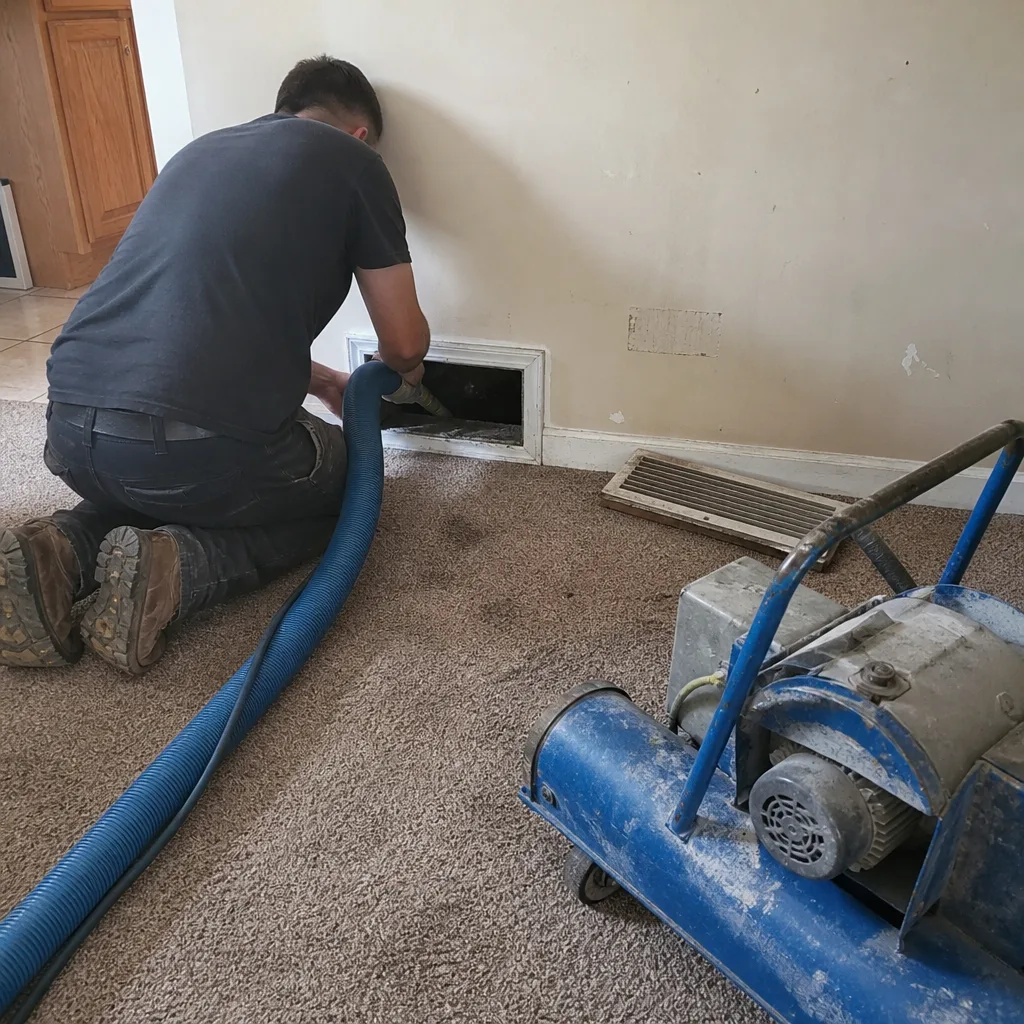 Before
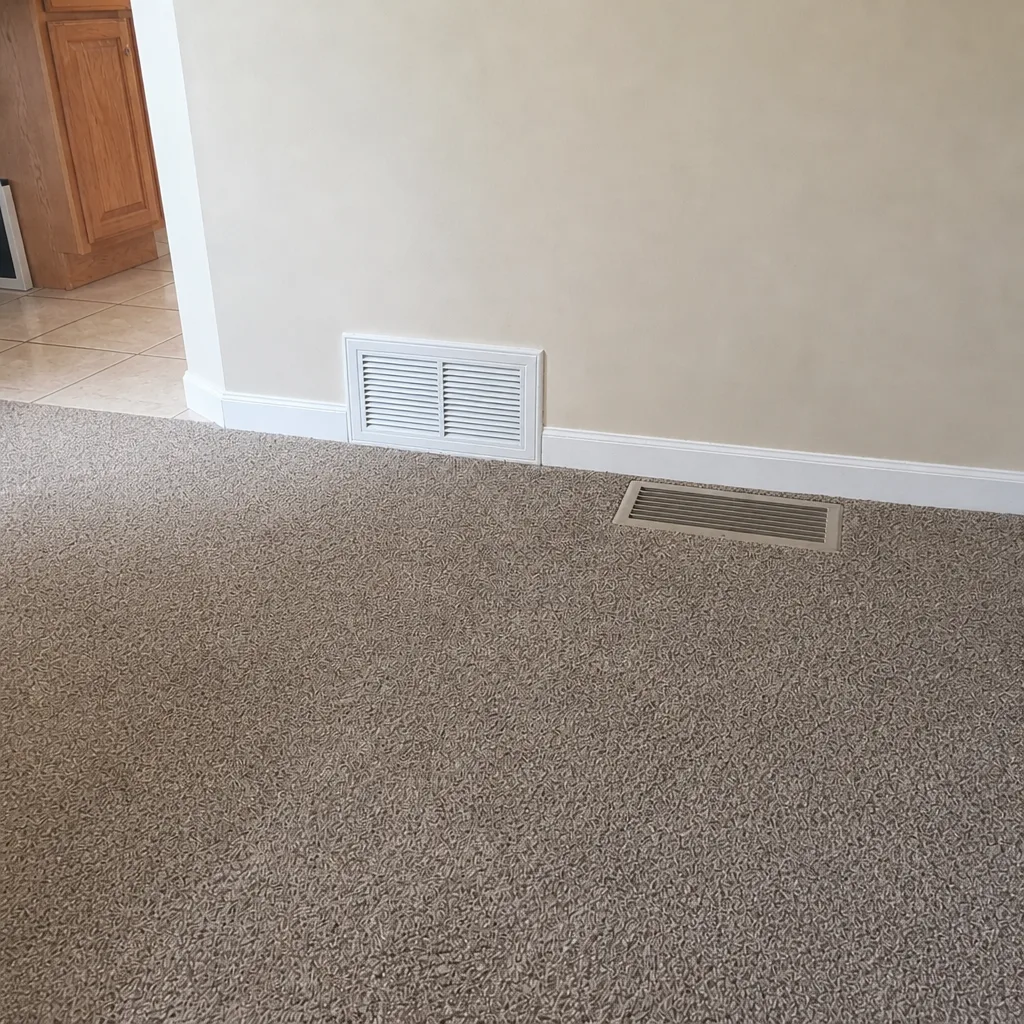 After
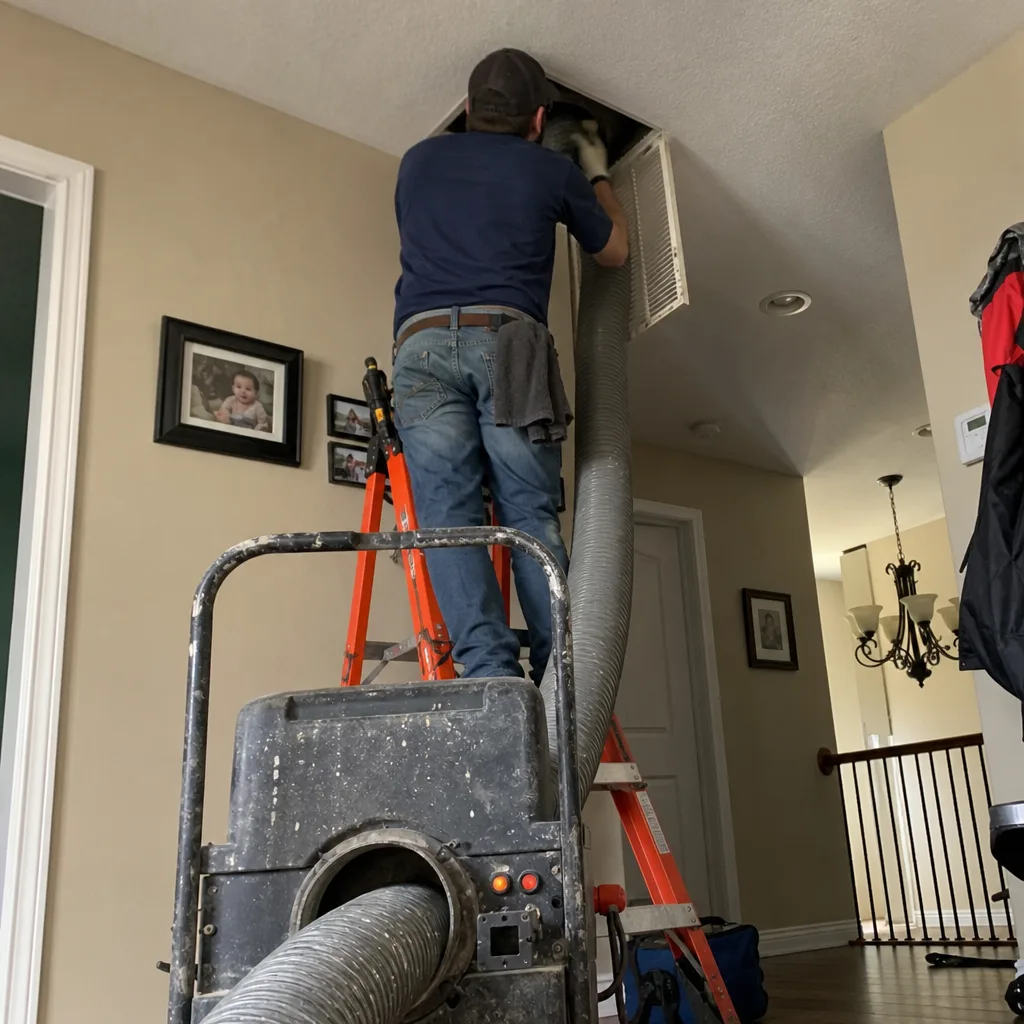 Before
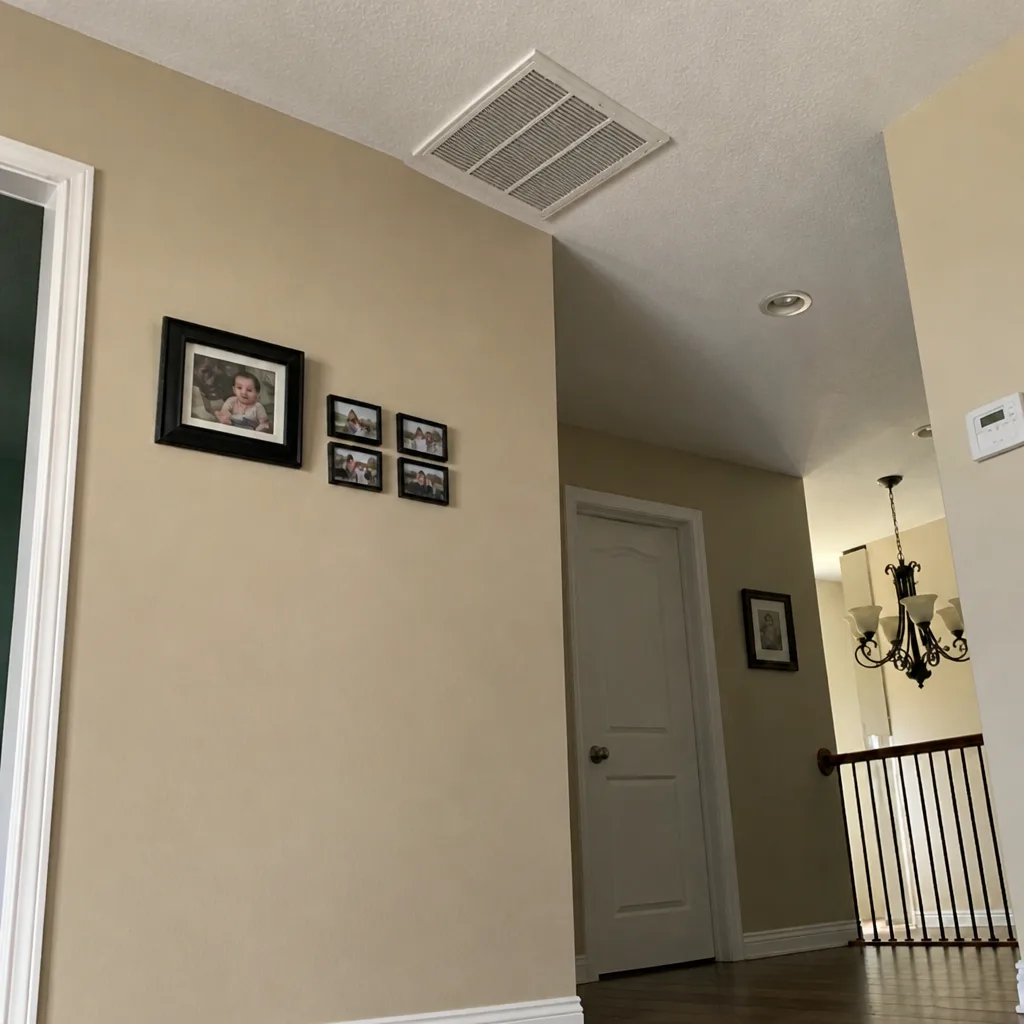 After
When to Call a Professional
Some signs point clearly to scheduling a duct cleaning visit in Layton. Worsening allergies or asthma symptoms that don’t track with pollen season usually mean something in the air handling system, and that points to the ducts. A musty or damp odor that appears when the HVAC system starts up often signals moisture or biological growth inside the ducts or air handler. Visible dust puffing out of registers when the system starts, or dust settling on surfaces faster than normal, is a sign the supply side needs attention. Rising energy bills with no other explanation point to restricted airflow, disconnected runs, or leaks in the duct system.
Dryer vent cleaning deserves its own call. Lint buildup in the vent is a leading cause of residential fires, and the warning signs are straightforward: clothes taking longer to dry, the outside vent flap not opening fully during a cycle, or lint visible around the dryer collar. None of these are worth ignoring.
Layton Air Duct Cleaning Pros offers free estimates in Layton. Our technicians have up to 14 years of experience, and we use the same Rotobrush, Nikro, and Abatement Technologies equipment you’d expect to see on a commercial duct job. Call (855) 726-7045 to book. We answer 24/7, with fast dispatch from 7am to 7pm, Sunday through Friday.
Frequently Asked Questions
There’s no honest single number, because duct cleaning is priced per job, not per vent or per hour. The range depends on the size of the home, the number of trunk and branch runs, whether the air handler is being cleaned too, and whether repairs or sealing are needed. A written estimate is the only price that means anything, and it should be the final price unless the scope changes. Call (855) 726-7045 for an exact quote. Estimates are free.
Because they’re often a different job described with the same words. A very low flat rate usually means the job was priced without inspecting the system, which translates to a smaller vacuum, less agitation, and a shorter visit. Your job becomes about getting through the door, not cleaning the system. The right question isn’t “why is this one cheaper” but “what’s the equipment spec and what’s the scope.” Call (855) 726-7045 if you want to compare a quoted spec against ours.
No. Utah does not issue a specialty license for air duct cleaning, so there is no state credential to check. The closest thing to a real qualification is NADCA membership, which obligates a company to work to the association’s ACR standard. You can verify membership through NADCA’s public directory. Ask any contractor for their membership status before booking.
Ask for camera documentation and a written summary at handoff, and ask before the visit so it’s clear from the start. A specialist can show you before-and-after frames of the same trunk line and plenum locations, and will write down what was found and what was done. If a contractor can’t produce photos or a written summary, treat the job as undocumented. Call (855) 726-7045 if you’ve had an undocumented job and want an inspection to establish a baseline.
Most homes in Layton land somewhere around every three to five years, but that’s a rough guide, not a rule. Homes with pets, recent remodeling, construction dust, or allergy sufferers tend to need it more often. Homes with a sealed system, minimal dust, and no pets can stretch longer. The best answer is: schedule an inspection when conditions change (new odors, visible dust, allergy symptoms, energy costs) rather than on a calendar. Call (855) 726-7045 to book an assessment.
Yes, in many cases. Inspection usually reveals leaks, torn flex, unsealed joints, or disconnected runs, and repair and sealing can often be handled in the same appointment as cleaning. Ducts that are cleaned but not sealed will lose efficiency and pull unfiltered air back into the system. Ask any contractor whether repair is part of their scope, not just a follow-up recommendation. Call (855) 726-7045 for a free estimate that includes repair if it’s needed.
Where This Fits With the Rest of Your System
Duct cleaning is one of five things a full indoor-air-quality service should cover, and hiring well on the cleaning side makes the rest of the work easier. Dryer vents are their own service with their own process, HVAC cleaning addresses the air handler and blower, duct repair and sealing closes the loop on leaks found during inspection, and sanitizing finishes the job with a named chemistry after the mechanical work. Filtration upgrades (Honeywell and Aprilaire systems are the standard, and we install and service both) are worth considering if allergens are the driver. Abatement Technologies negative-air equipment makes sure the containment on a serious job is what it should be. Doing all of this with one specialist team means less coordination and less opportunity for one contractor to skip what another already found.
If you’re starting the search for a contractor in Layton, the short version is this: verify equipment, verify NADCA membership, walk the quote line by line, and ask for documentation at handoff. Anyone who can pass those four checks is worth a call. Anyone who can’t is worth avoiding, whatever the price. For the full picture on our own work, the Layton Air Duct Cleaning Pros home page is the place to start. Our technicians have up to 14 years of experience, and our equipment is the commercial-grade standard for a reason.
The Bottom Line
Hiring an air duct cleaning contractor in Layton comes down to asking specific questions about equipment, procedure, and documentation, then listening carefully to the answers. Verify vacuum CFM, agitation method, negative-pressure setup, and camera inspection capability before anyone books. Check NADCA membership through the public directory and ask the contractor to confirm they work to the ACR standard. Read the quote line by line and treat vague flat rates as scope problems, not bargains. When the job is done, ask for before-and-after photos, a written summary of conditions found, and any readings if testing was performed. Equipment and method, not price, separate the specialists from the rest.
If you’d like our team to walk through your system and give you a written estimate with the equipment and scope spelled out, call (855) 726-7045. We answer 24/7, with fast dispatch from 7am to 7pm, Sunday through Friday. Estimates are free.
Written by the team at Layton Air Duct Cleaning Pros.