
Last updated November 25, 2026
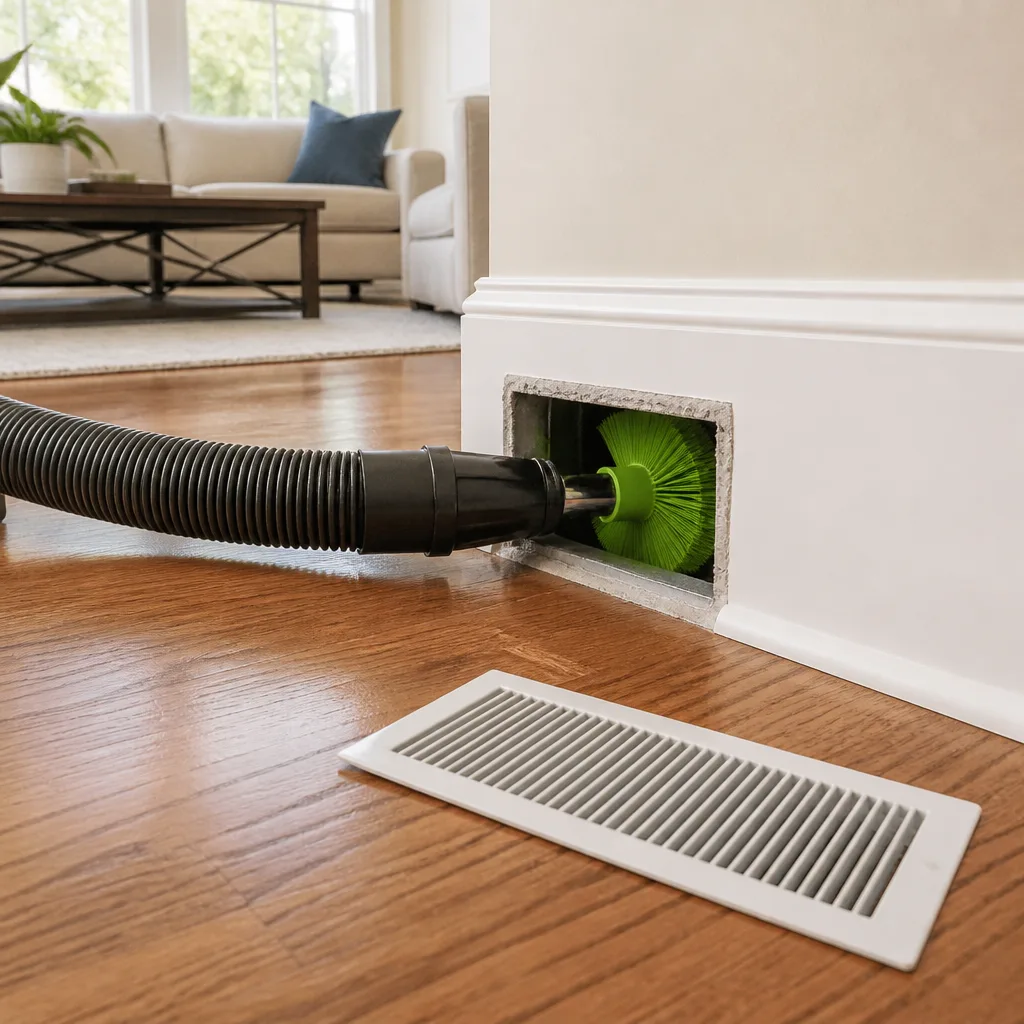 Whole-home duct cleaning
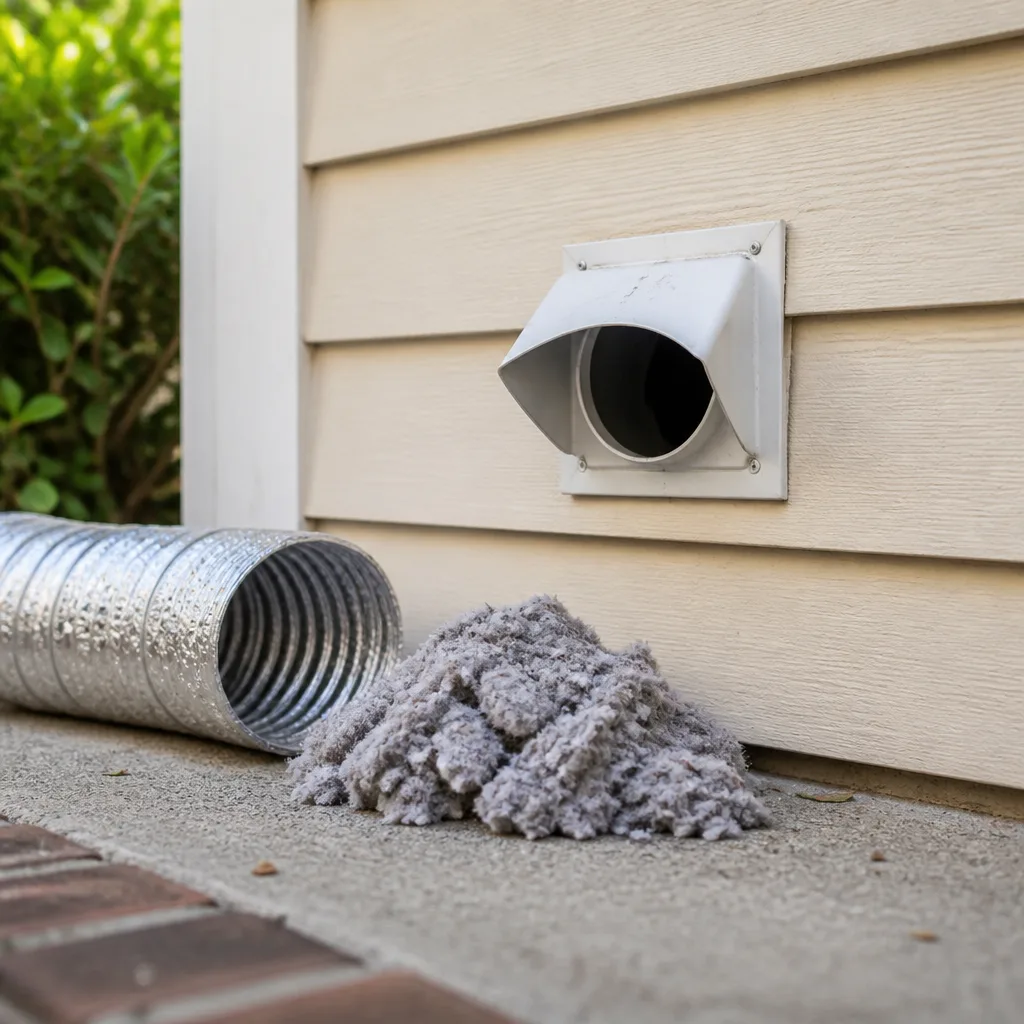 Dryer vent cleaning
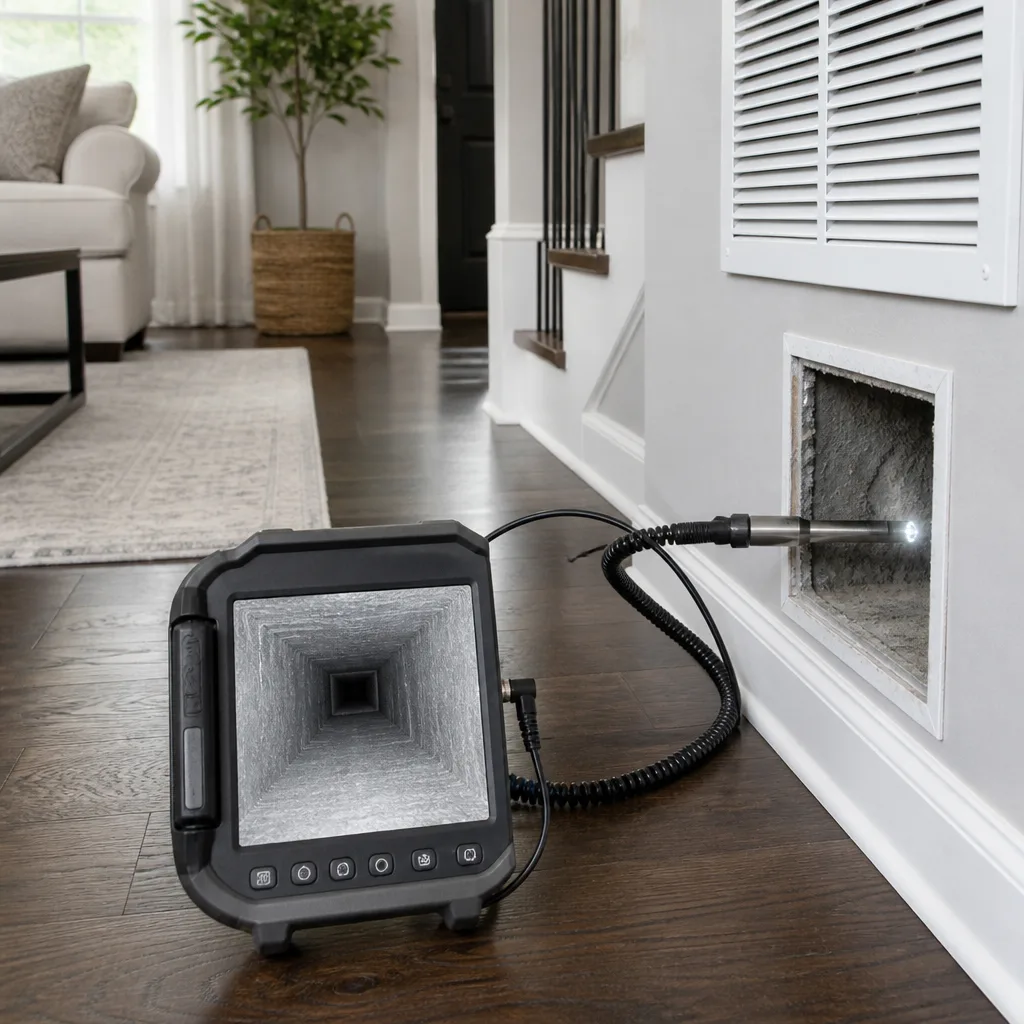 Camera inspection
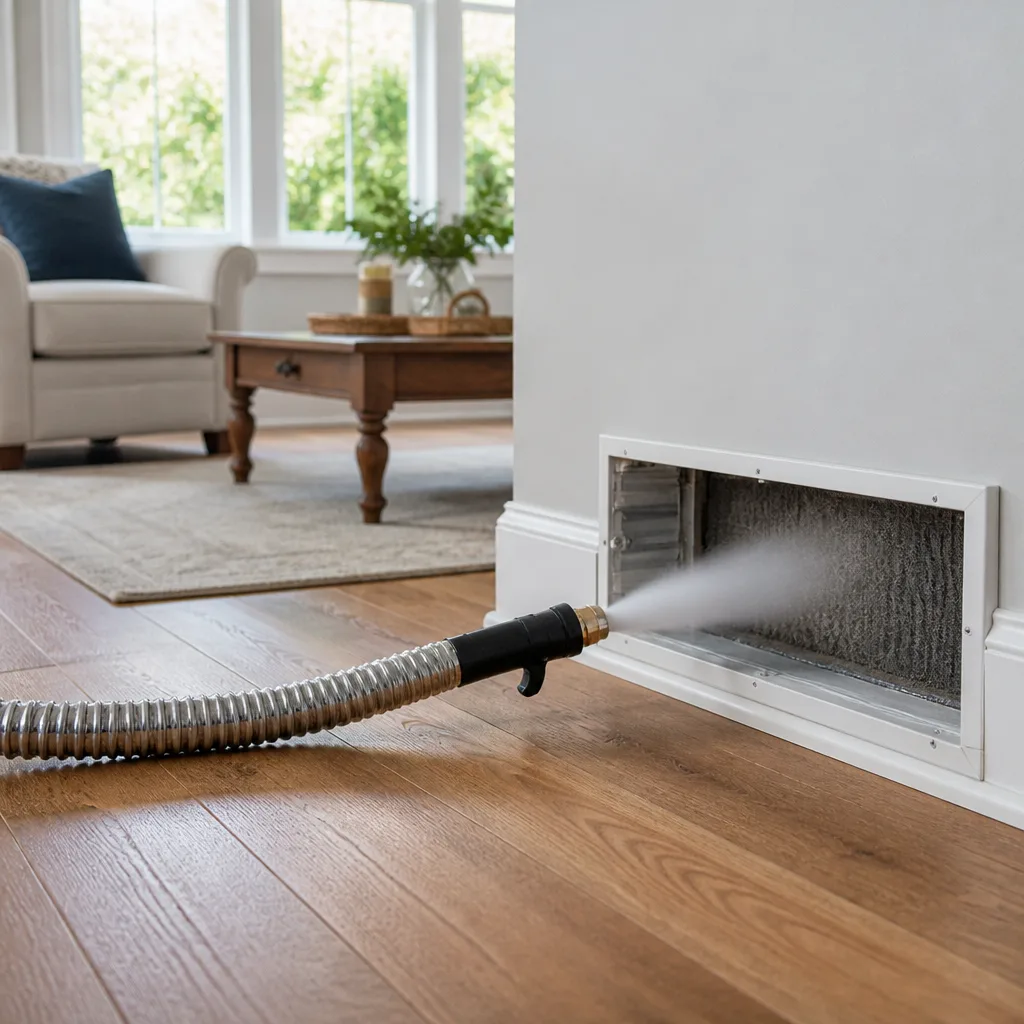 Sanitizing & deodorizing
Whole-system duct and dryer vent check with before-and-after photos - you see exactly what came out of your vents
That "$99 whole-house special" is a bait ad - the real number appears once they are in your hallway, or the "clean" is a shop-vac at the register. We photograph the inside of your ducts before and after instead.
Seasonal Air Duct Cleaning Care for Layton: Year-Round Homeowner’s Guide
Most homeowners treat duct cleaning as a once-a-decade chore, something you schedule when the vents look gray and then forget about. That approach makes sense in a climate with one dominant season. Layton doesn’t have one dominant season. It has four, and each one loads your forced-air system with a different kind of contamination. Winter inversion traps fine particulate in the valley. Spring floods the air with pollen once the inversion breaks. Summer brings wildfire smoke from fires that can burn hundreds of miles away. Fall kicks up construction dust and the first-heat odors that signal something sitting in the ductwork. In this guide, we’ll walk through each season in Layton, what it does to your ducts and equipment, and how to build a maintenance rhythm that matches the actual environmental calendar instead of a generic annual reminder.
Quick Answer
Seasonal air duct cleaning in Layton works best when you sync inspections and cleaning to the valley’s four distinct air-quality seasons rather than treating it as a single yearly event. Winter inversion is the heaviest loading period for return-air ductwork, spring is the right time to inspect what the inversion left behind, summer smoke events call for interim filtration measures, and fall is when pre-heating-season checks catch blower and humidifier problems before they run all winter. A rolling 12-month log of filter loading tells you whether your cleaning interval should tighten or stay stable.
Styles & brands we work with
- Whole-home duct cleaning
- Dryer vent cleaning
- Camera inspection
- Sanitizing & deodorizing
Table of Contents
- Why Layton’s Four Air-Quality Seasons Stress Ducts Differently
- Winter Inversion Season: December Through February
- Spring Post-Inversion Inspection: What to Look For
- Summer Wildfire Smoke Protocol
- Fall Pre-Heating-Season Checklist
- Building a Rolling 12-Month Duct Care Log
- Common Mistakes to Avoid
- When to Call a Professional
Why Layton’s Four Air-Quality Seasons Stress Ducts Differently
Layton sits in a geographic bowl. That shape is why the city gets the sunsets it does, and it’s also why cold air and the fine particulate that rides with it settle into the valley floor during winter and stay there. During a strong inversion, PM2.5 levels can exceed EPA 24-hour standards for weeks at a time. That particulate doesn’t disappear. Some of it gets captured by your filter, some of it coats the inside of your return-air ductwork, and some of it recirculates through the house every time the blower runs.
That’s winter. Spring brings a completely different load: cottonwood fluff, grass pollen, and the fine tree pollen that blows in from the canyons, all of which get pulled into the return system along with the ordinary household dust that’s been accumulating all winter. Summer is wildfire season, and smoke particulate behaves differently than dust. Fall is construction season along the Wasatch Front, plus the transition period when your furnace fires up for the first time and pushes months of settled material back into the living space.
Here’s the practical implication. A single annual cleaning treats all four seasons as if they were one, which means it’s always the wrong timing for at least two of them. A seasonal approach matches the actual load. In our experience, the homes that stay cleanest aren’t the ones that get cleaned most often. They’re the ones where the homeowner knows which season loads their system hardest and schedules around that.
- Winter: heaviest fine-particulate loading, especially in return-air runs
- Spring: pollen and organic debris, plus the post-inversion inspection window
- Summer: wildfire smoke events that demand filtration adjustments mid-season
- Fall: construction dust, first-heat odors, humidifier and blower checks
Winter Inversion Season: December Through February
Inversion season is when return-air contamination accelerates fastest in Layton, and it’s the period most homeowners underestimate. The mechanism is straightforward. Your furnace runs more hours per day, so the blower moves more air through the same ductwork. Every one of those cycles pulls in whatever is suspended in the return air, and during an inversion that includes a steady supply of fine particulate too small for a standard filter to catch efficiently.
The single change that makes the most measurable difference during inversion season is a filter upgrade. A basic fiberglass or low-MERV pleated filter is designed to protect the equipment, not the air you breathe. That’s fine in a clean climate. During a Layton inversion, moving to a higher-MERV pleated filter captures a meaningfully larger share of the fine particulate before it reaches the blower and the supply runs. The tradeoff is airflow restriction, which is why the filter rating has to match what your system can actually handle. A filter housing rated for a higher-MERV media filter, like the ones we install from Aprilaire and Honeywell, gives you room to step up without choking the blower.
Two other winter actions matter:
- Check the filter monthly, not quarterly. During inversion season, a filter can load in four to six weeks that would normally last three months. Write the replacement date on the filter frame so you have a record.
- Look at the return grilles. A visible gray film on the return grille fins after a few weeks of inversion is a signal that the return duct behind it is carrying the same load. That’s not a reason to panic. It’s a data point for your log.
What winter is not the right time for, in most cases, is a full duct cleaning. Disturbing the ductwork mid-inversion can temporarily increase airborne particulate in the home. The better play is to capture as much as possible at the filter and schedule the cleaning for the spring window after the inversion breaks.
Spring Post-Inversion Inspection: What to Look For
Once the inversion cycle breaks and the valley starts ventilating again, you get the clearest look at what winter actually deposited. Spring is the inspection window, and it’s the point where you decide whether this is a cleaning year or a monitoring year. Here’s what to check, in order:
- Pull the return grilles and look inside with a flashlight. Light, even dusting on the duct walls is normal and doesn’t require cleaning. Visible buildup, debris accumulation at the boots, or material clinging to the walls is a signal the ductwork is carrying load it shouldn’t.
- Inspect the filter housing and the transition where the return duct meets the air handler. This is where the worst buildup tends to collect, because it’s the last point before the blower. Gaps or loose seams here let unfiltered air bypass the filter entirely, which is a common and easily missed problem.
- Check the supply registers for even flow. Weak flow at a register far from the air handler usually points to a leak or a disconnected run, not a dirty duct. Both are worth fixing, but they’re different jobs.
- Note any musty or stale odor when the system first starts. Odor on startup is one of the clearer indicators that organic material is sitting in the ductwork or the evaporator coil area.
If the inspection turns up visible buildup in the return runs, a full mechanical cleaning is warranted. If it turns up dust but no buildup, monitoring is the better answer. We don’t recommend scheduling a cleaning every spring on principle. The home’s actual condition should drive the decision, and a proper inspection gives you the information to make it. When cleaning is the right call, you can read more about the process on our air duct cleaning page.
Spring is also the season to inspect the outdoor side of the system. Condenser coils collect cottonwood fluff and pollen, and a clogged coil makes the compressor work harder all summer. If your system has an outdoor unit, a coil rinse in spring pays for itself in efficiency.
Summer Wildfire Smoke Protocol
Wildfire smoke is not the same kind of particulate as household dust, and treating it the same way is a mistake. Smoke particulate from a wildfire is finer than most dust, often in the size range that penetrates deep into the respiratory system and stays suspended in indoor air for a long time. It also carries combustion byproducts that give it the characteristic smell and that cling to surfaces, including the inside of ductwork.
The standard MERV 8 filter most homes run is designed to catch larger particles. During a smoke event, MERV 8 catches some of it and lets the finer fraction through. That’s not a filter defect. It’s a design mismatch with the conditions. During a smoke event in Layton, the protective moves are:
- Step up filtration temporarily to the highest MERV your blower can handle without restricting airflow. If you have a media filter cabinet, this is where it earns its keep.
- Run the system fan continuously on low speed during the event so the filter is actively capturing rather than only filtering when the thermostat calls for conditioning.
- Keep windows and doors closed and avoid running bathroom and kitchen exhaust fans that pull outdoor air in through the building envelope.
- Change the filter when the event ends. A filter loaded with smoke particulate is spent, even if it looks only moderately gray.
If a smoke event is severe and long, the ductwork itself can pick up smoke odor, particularly in homes with older, less-sealed duct systems. That’s the situation where a post-event cleaning and sanitizing treatment makes sense. An air duct cleaning visit isn’t the answer to every smoke event, but it is the answer when odor persists after the outdoor air clears. Sanitizing with Guardsman products after mechanical cleaning neutralizes the residual odor and biological material that cleaning alone leaves behind.
Fall Pre-Heating-Season Checklist
Fall is the last window before the furnace runs every day for months, and it’s the season when a small amount of attention prevents a large problem in January. Three checks matter most:
Blower wheel inspection
The blower wheel is the component that actually moves air through your system, and it’s also the component that collects the most dust. Dust builds up unevenly on the vanes, which throws the wheel out of balance and reduces airflow. A dirty blower wheel often shows up as weak airflow and higher energy use before it shows up as an obvious problem. Fall is the right time to have it inspected and, if needed, cleaned as part of an HVAC cleaning visit.
Humidifier pan cleaning
If your home has a furnace-mounted humidifier, the water pan and pad sit dormant all summer and collect dust and mineral scale. A dirty pad doesn’t just underperform. It can become a source of odor and biological growth once the humidifier runs all winter. Fall is the time to clean the pan, replace the pad, and check that the water supply is flowing.
First-heat odor sources
The first time the furnace fires up in fall, a light burning smell is normal. That’s dust burning off the heat exchanger. A persistent smell that doesn’t clear after the first few cycles is a different story. In our experience, a musty or dusty odor that continues past the first few heat cycles usually points to contamination in the ductwork or on the evaporator coil, not a mechanical fault. It’s worth having inspected rather than ignored.
Duct repair and sealing
Fall is also the season when duct leaks hurt most, because a leak in a supply run means heated air is escaping into an attic or crawlspace where it does no good. A leak in a return run means the system is pulling unfiltered air from unconditioned space. Both raise your heating bill and lower indoor air quality at the same time. We find, fix, and seal leaking duct sections in the same appointment as a cleaning, which is a scope most competitors don’t offer.
Building a Rolling 12-Month Duct Care Log
The most useful tool you can keep for your home’s duct system is a simple log. Not a spreadsheet. A sheet of paper on the inside of the furnace closet door or a note on your phone. The point is to record your filter loading rate over the course of a year so you can tell whether your cleaning interval should tighten or stay stable.
Here’s how to build it in five steps:
- Record the filter installation date and the MERV rating every time you change it. That’s the baseline.
- Note the condition at removal using a simple scale: light dust, moderately loaded, or heavily loaded. Take a photo on your phone if it’s easier than describing it.
- Mark the season next to each entry. Winter and summer entries will look different, and that’s the point.
- Note the date of any smoke event or unusual dust activity, such as a nearby construction project or a remodel inside the home.
- Review the log at the end of spring and end of fall. If a filter that normally lasts three months is loading in six weeks during winter, your duct system is carrying more load than it used to, and your cleaning interval should compress. If the loading rate is stable across two years, the interval can stay where it is.
What the log actually tells you is whether the timing of a cleaning is data-driven or habit-driven. Most cleaning schedules are set by habit: once a year, or whenever the homeowner remembers. The log replaces that with your home’s actual loading rate. Two identical houses on the same street in Layton can have very different cleaning intervals, because one has a tight duct system and a high-MERV filter and the other has leaky ducts and a low-MERV filter. The log is how you tell which one you have. If your log shows the interval should compress, the right next step is a proper inspection and, if indicated, a full cleaning. You can read more about our approach at Layton Air Duct Cleaning Pros.
See the difference
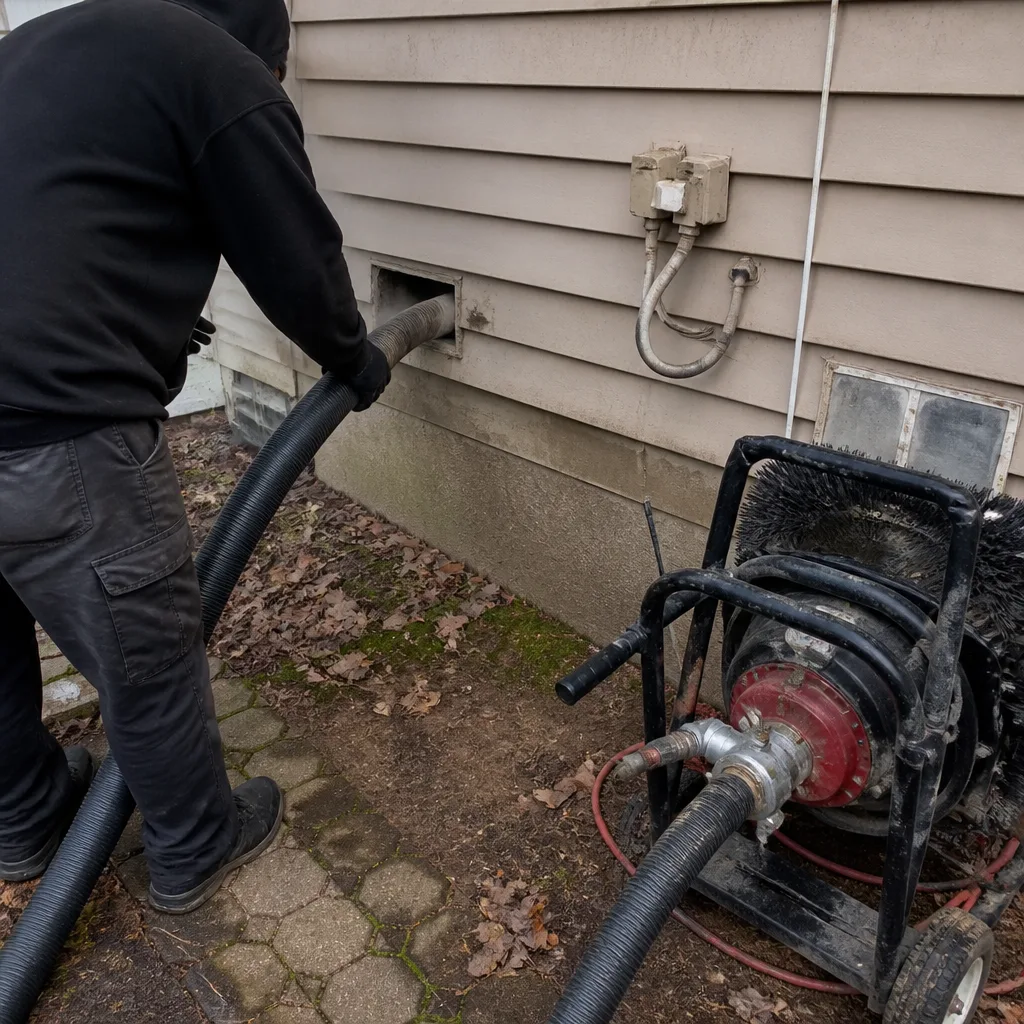 Before
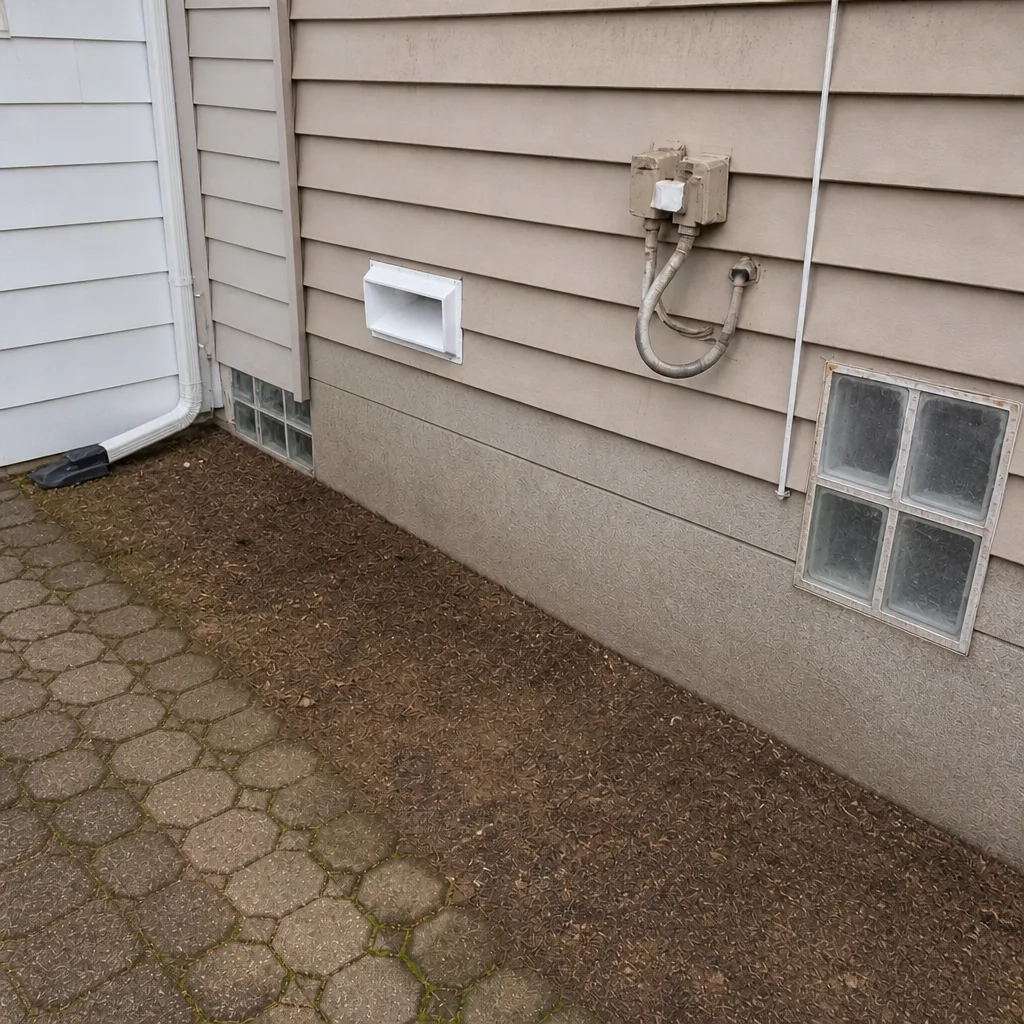 After
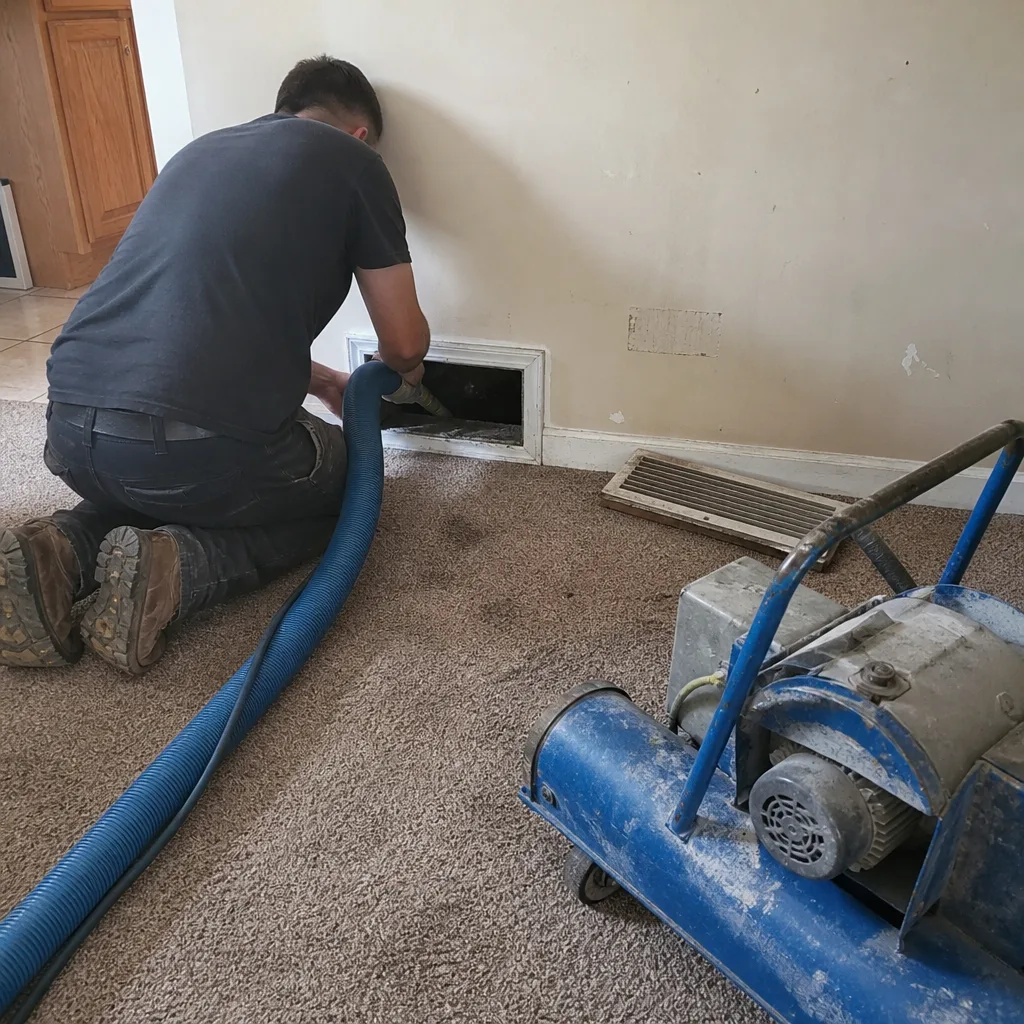 Before
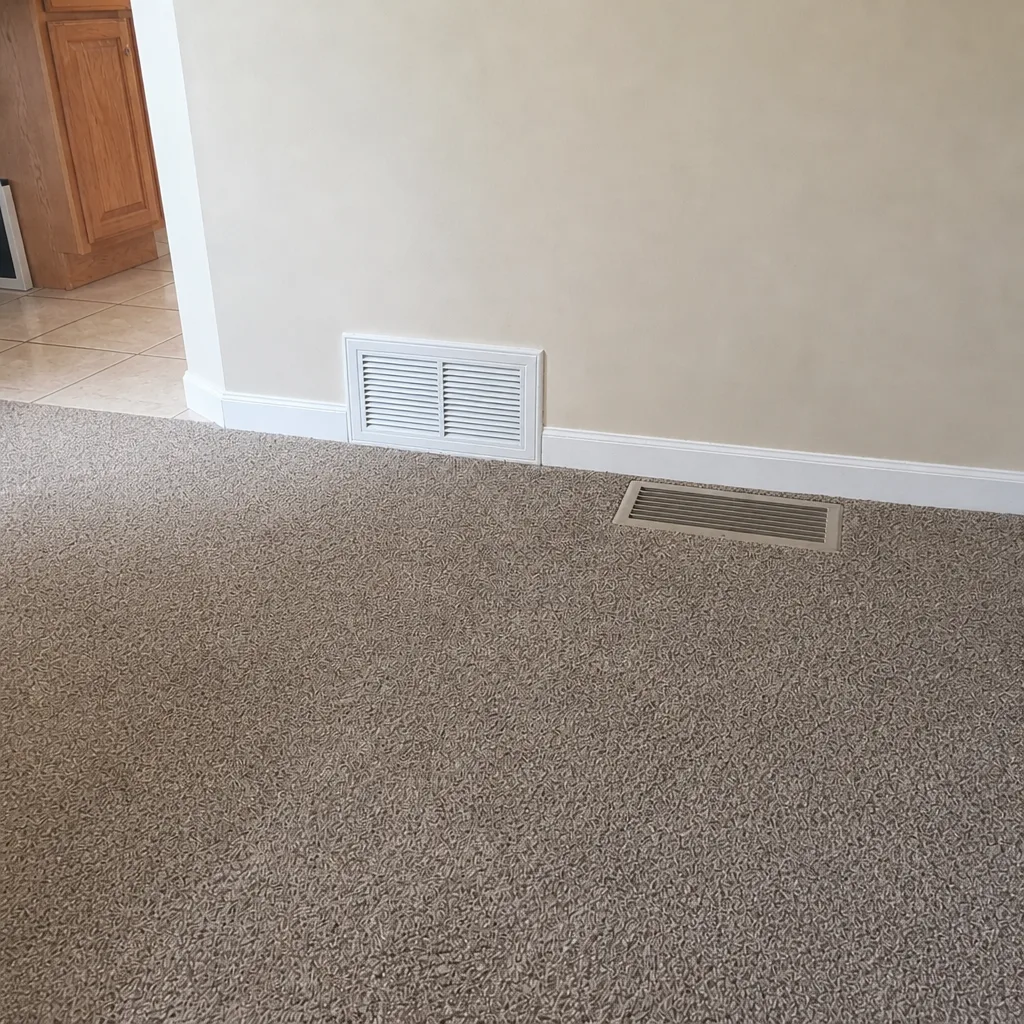 After
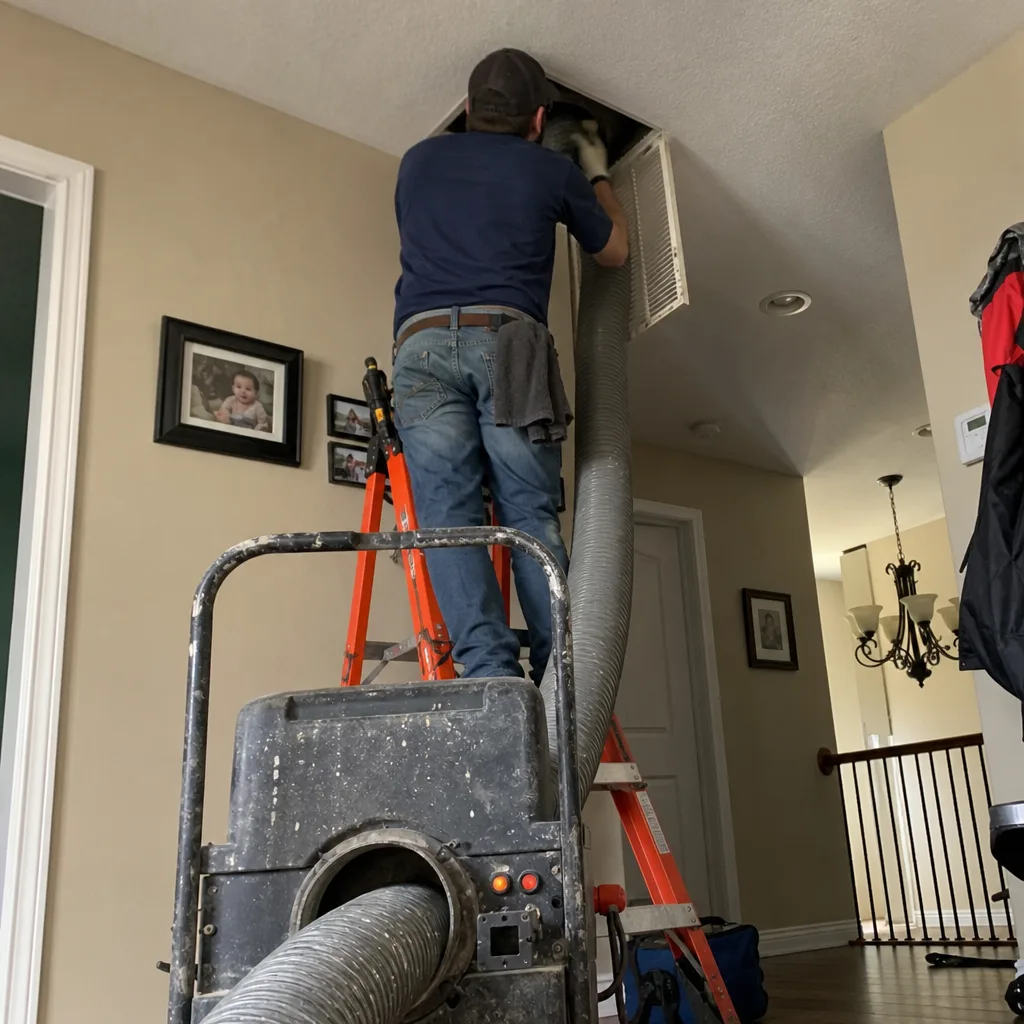 Before
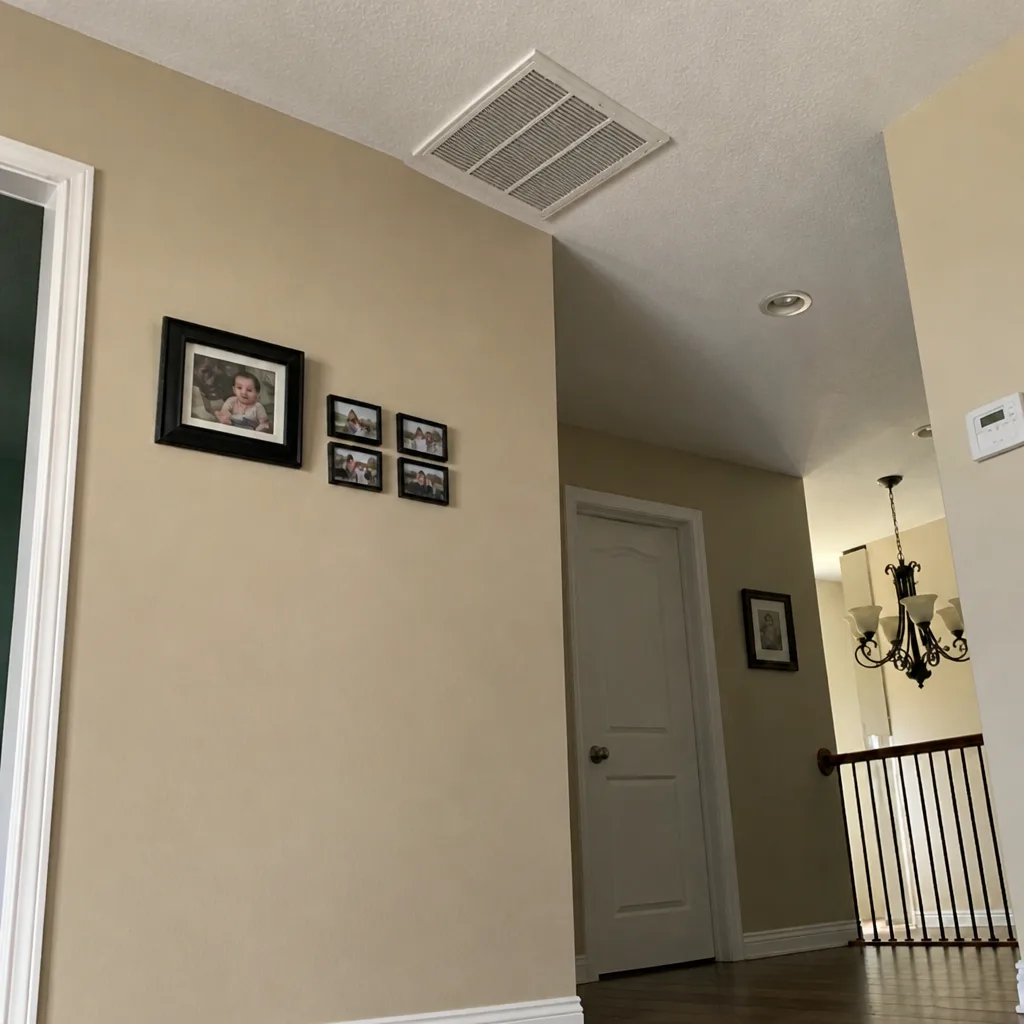 After
A Note on Dryer Vents and the Same Seasonal Calendar
Your dryer vent runs on a slightly different clock, but the same seasonal logic applies. Winter lint is denser because the dryer runs more, and spring and fall are the seasons when lint and debris from outside can find their way into the vent termination. Dryer vent cleaning directly addresses a leading cause of residential house fires, documented by NFPA data, and it belongs on the same annual log as your duct filters. If your dryer is taking longer to dry a load, or the exterior vent flap doesn’t open fully when the dryer runs, that’s a signal to have the vent inspected. We treat it as a dedicated service rather than an upsell, and you can read more on our dryer vent cleaning page.
Common Mistakes to Avoid
- Scheduling one cleaning a year in the same month every year. An annual cleaning that lands in spring ignores the fact that the heaviest loading in Layton happens in winter. If you’re only going to clean once, the calendar should reflect your system’s heaviest season, not the calendar’s convenience.
- Buying the highest-MERV filter on the shelf. A filter your blower can’t push air through is harder on the system than a lower-MERV filter that fits the airflow. The right MERV is the one your system was designed for, which is why the filter cabinet matters more than the filter label.
- Assuming first-heat odor is always a mechanical problem. A burning smell that clears is normal. A musty or dusty smell that persists is usually duct or coil contamination, and it doesn’t clear on its own.
- Running a shop vacuum or consumer-grade blower into a duct run. This loosens material without containing it, which means more of it ends up in your living space than in the vacuum.
- Skipping the return-air grilles during a home inspection. The return runs carry the heaviest load, and they’re the run most homeowners never look at.
- Treating the dryer vent as a minor chore. It’s a fire-risk reduction service with a documented safety basis, not a dust-removal afterthought.
- Trusting an online coupon price over a written scope. A price with no stated scope, no equipment description, and no before-and-after documentation isn’t a quote. It’s a starting number.
When to Call a Professional
There are clear situations where professional service is the right answer rather than more monitoring. If your spring inspection turns up visible buildup in the return runs, if a musty odor persists after the first-heat cycle in fall, if you’ve had a smoke event and odor lingers after the outdoor air clears, or if your log shows your filter loading rate has compressed over two seasons, those are all signals that the ductwork itself needs attention, not just a new filter.
The equipment matters here. Commercial-grade rotary brush and negative-air systems, like the Rotobrush and Nikro equipment we run, contain the dislodged material during cleaning instead of letting it settle back into the home. Consumer-grade vacuums don’t. We also use Abatement Technologies negative-air containment during service, which is the same approach commercial contractors use, applied to a residential job.
Layton Air Duct Cleaning Pros offers free estimates in Layton. Call (855) 726-7045 to schedule an inspection. We answer 24/7. Fast dispatch from 7am to 7pm, Sunday through Friday.
Frequently Asked Questions
Most Layton homes need a full duct cleaning every two to five years, with the exact interval driven by your filter loading rate and whether your system has duct leaks. A home with a tight duct system and a properly sized high-MERV filter can go longer. A home with leaky return ducts and a basic filter loads much faster.
Spring is the better time to clean ducts in Layton in most cases, because it follows the heaviest loading period of the year (winter inversion) and precedes the summer smoke season. Cleaning in spring means the system enters smoke season with clean ductwork and a fresh filter. Call (855) 726-7045 for an exact quote. Estimates are free.
Yes. During a Layton inversion, fine PM2.5 particulate settles into the valley and is pulled into every return-air system in the city. The particulate that isn’t captured by the filter coats the ductwork, and the portion that passes through recirculates into the living space. A filter upgrade during inversion season is the single most measurable protective step.
Run the highest MERV rating your blower and filter housing can handle without restricting airflow, which is often MERV 11 to MERV 13 for a system with a proper media cabinet. A standard MERV 8 filter is designed for equipment protection and lets the fine fraction of smoke through.
A musty or dusty odor that persists after the first few heat cycles of fall usually points to duct or evaporator coil contamination, not a mechanical fault. A burning smell that clears after the first cycle is normal dust burn-off. If the odor doesn’t clear, have it inspected.
No, not effectively. A shop vacuum loosens material without containing it, so more of it ends up airborne in your home than in the vacuum. Professional cleaning uses rotary brush and negative-air systems that contain the dislodged material during the job.
The Bottom Line
Layton’s four air-quality seasons stress a forced-air system in four different ways, and a maintenance plan that treats them as one ignores the actual load. Winter inversion is the heaviest loading period and the season for a filter upgrade. Spring is the inspection window that tells you whether this is a cleaning year or a monitoring year. Summer demands filtration adjustments during smoke events and a post-event filter change. Fall is the pre-heating checklist: blower wheel, humidifier pan, first-heat odor, duct leaks. A simple 12-month log of filter loading tells you whether your cleaning interval should tighten or stay stable. For a free estimate in Layton, call (855) 726-7045. We answer 24/7. Fast dispatch from 7am to 7pm, Sunday through Friday.
Written by the team at Layton Air Duct Cleaning Pros.