
Last updated November 25, 2026
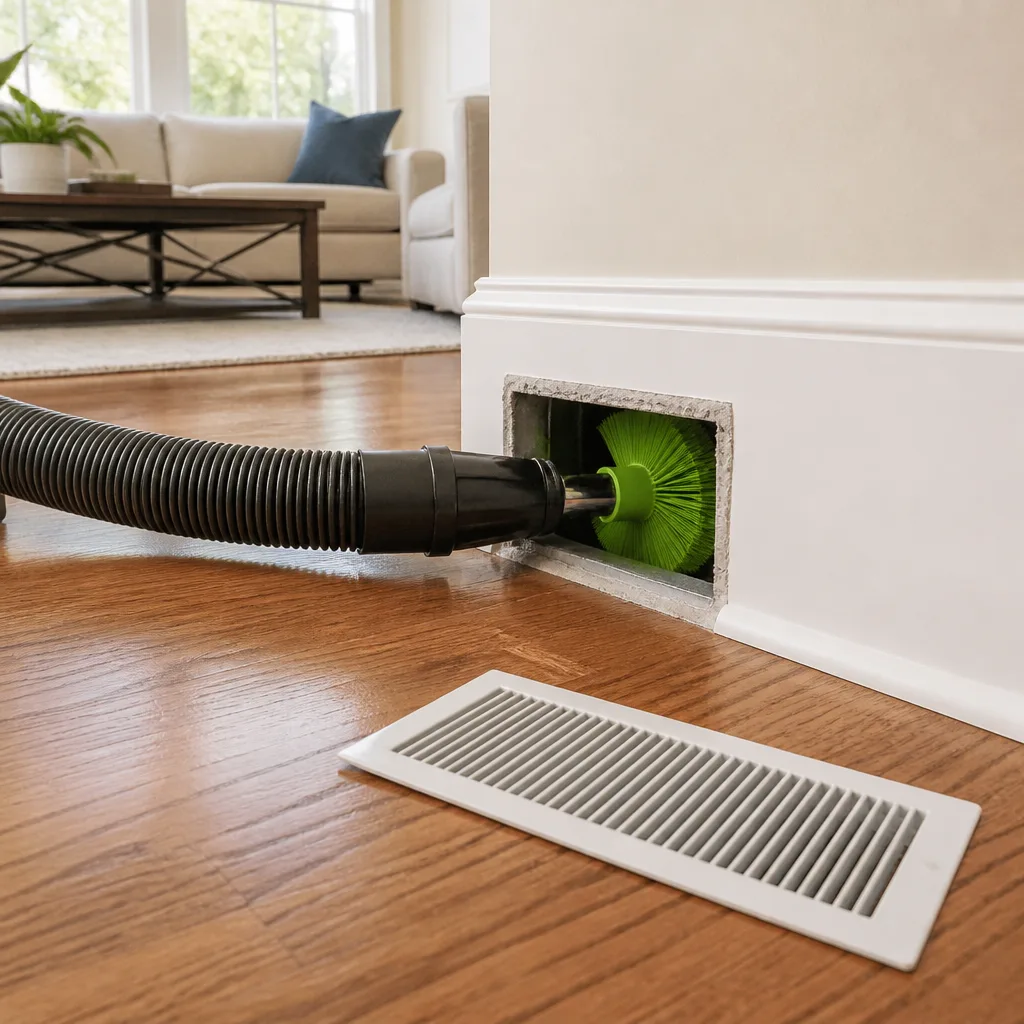 Whole-home duct cleaning
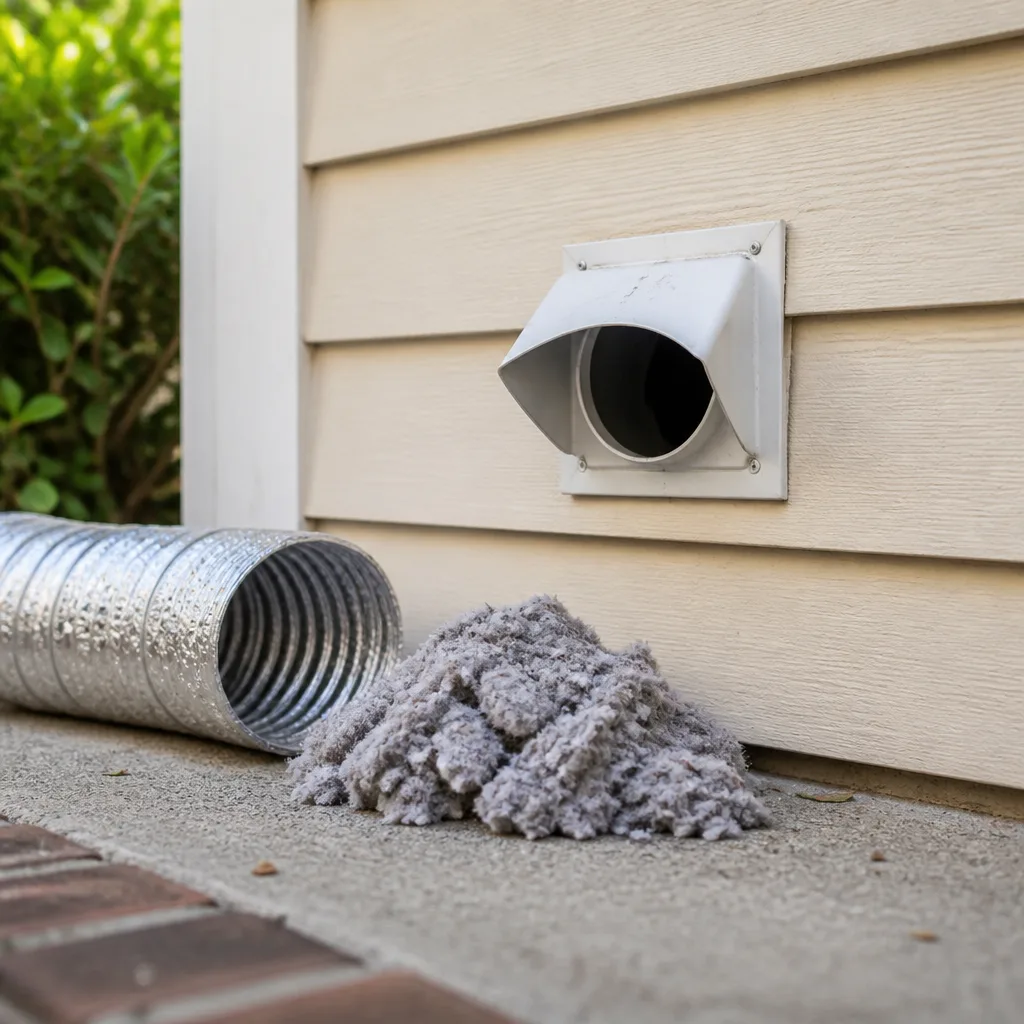 Dryer vent cleaning
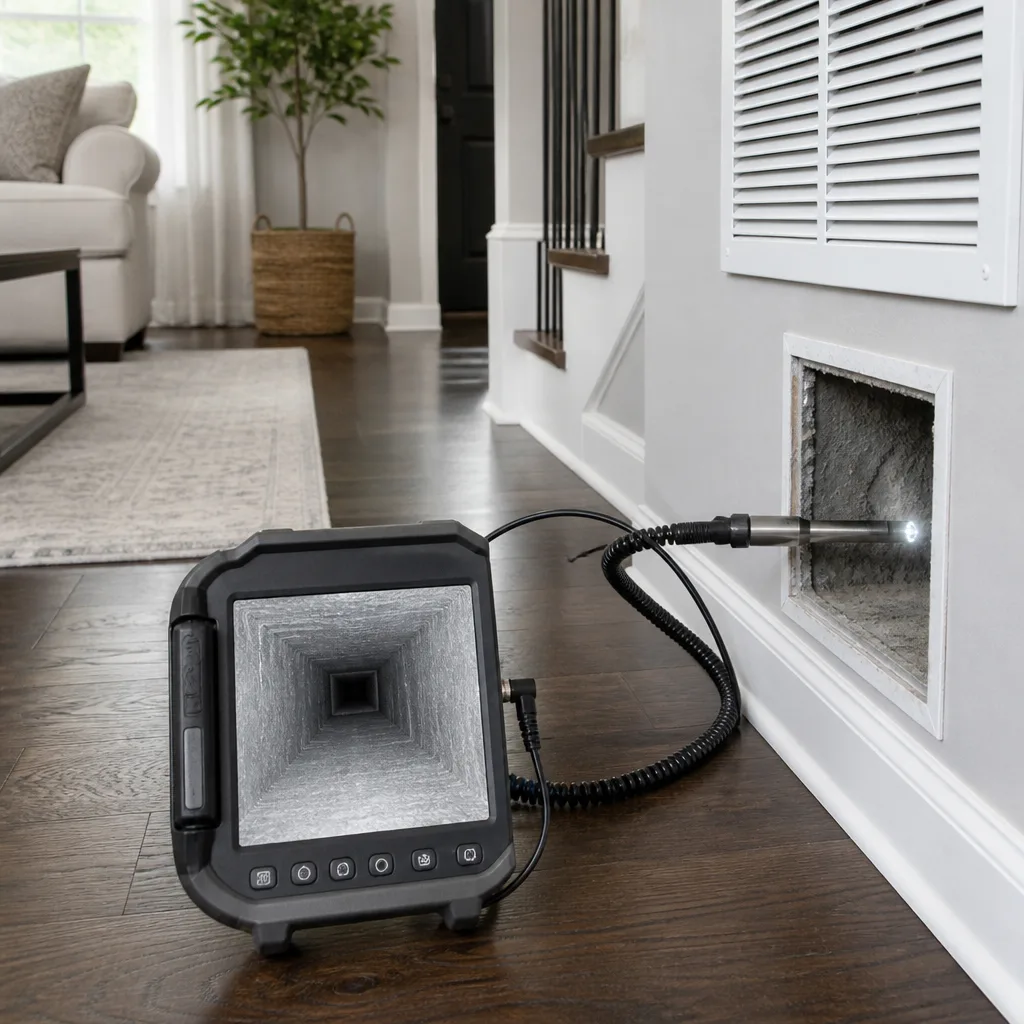 Camera inspection
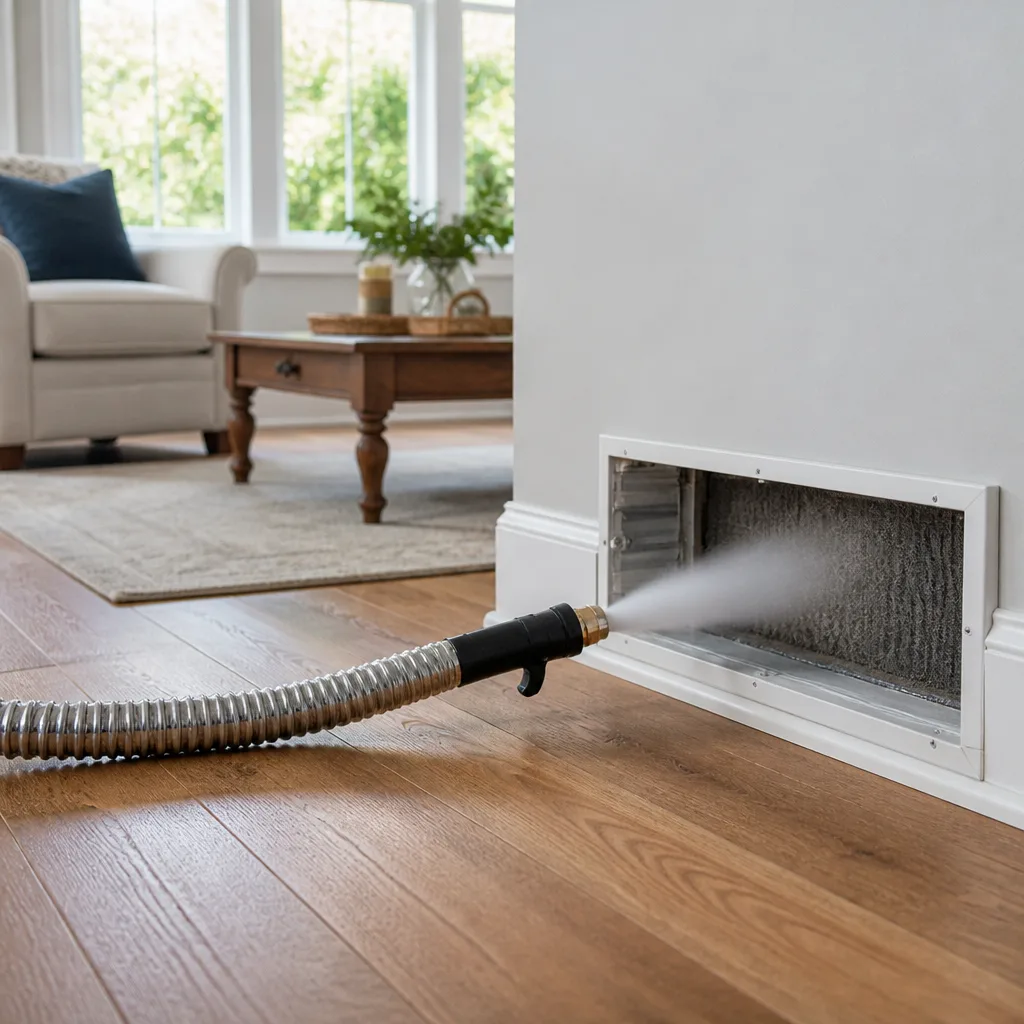 Sanitizing & deodorizing
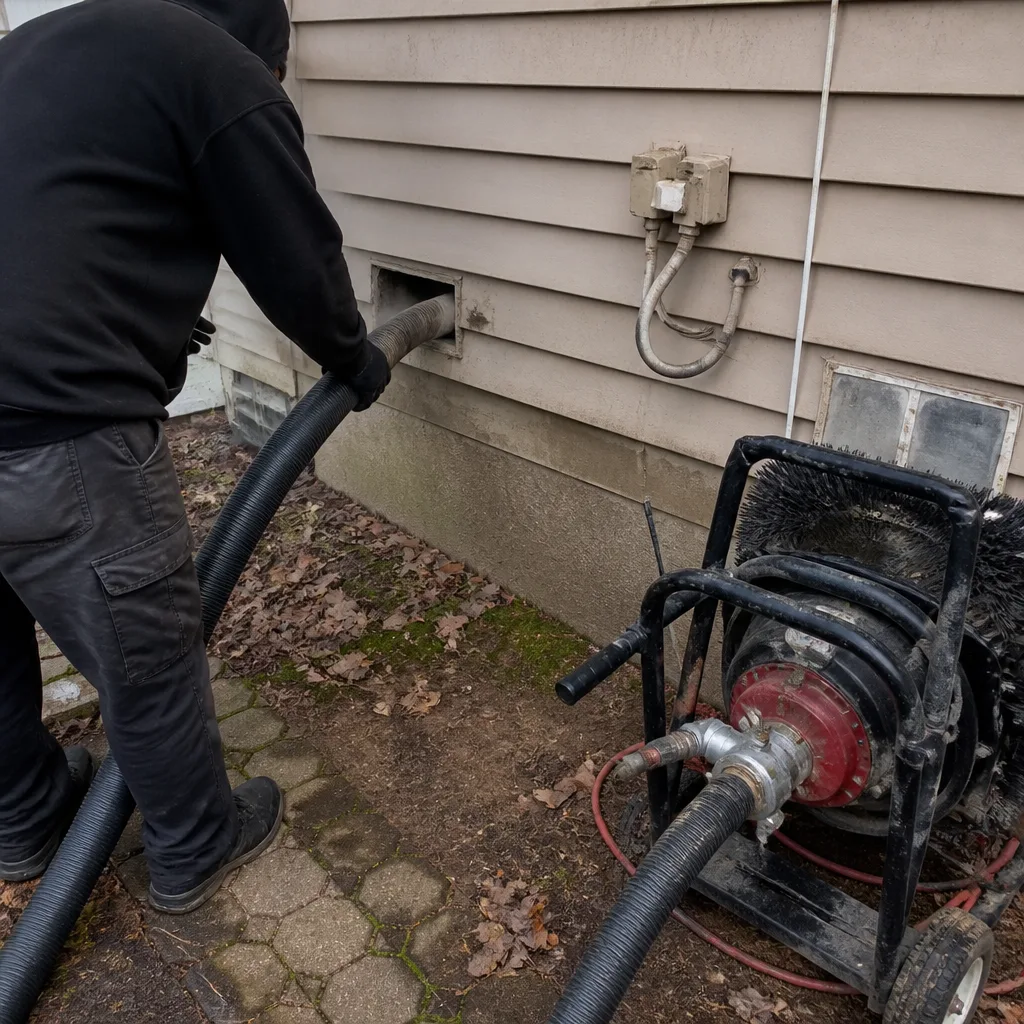
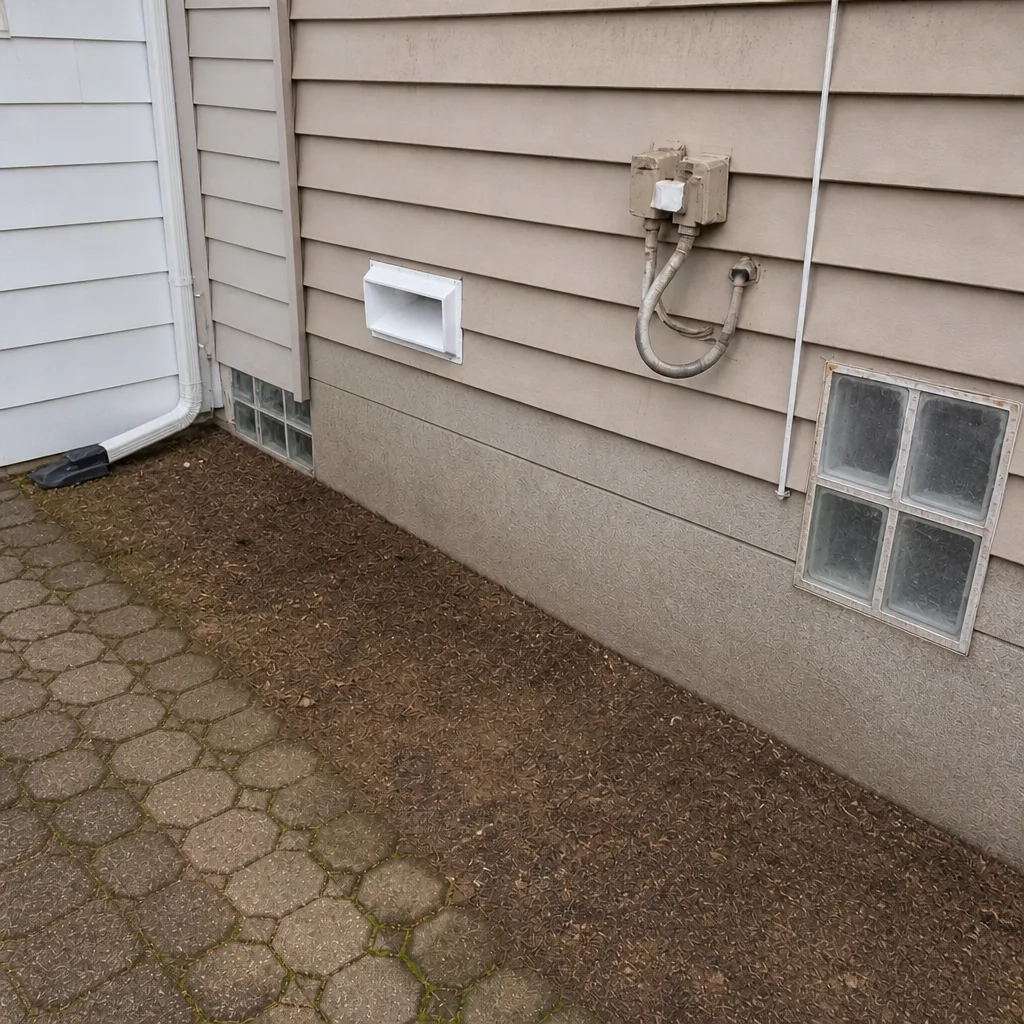
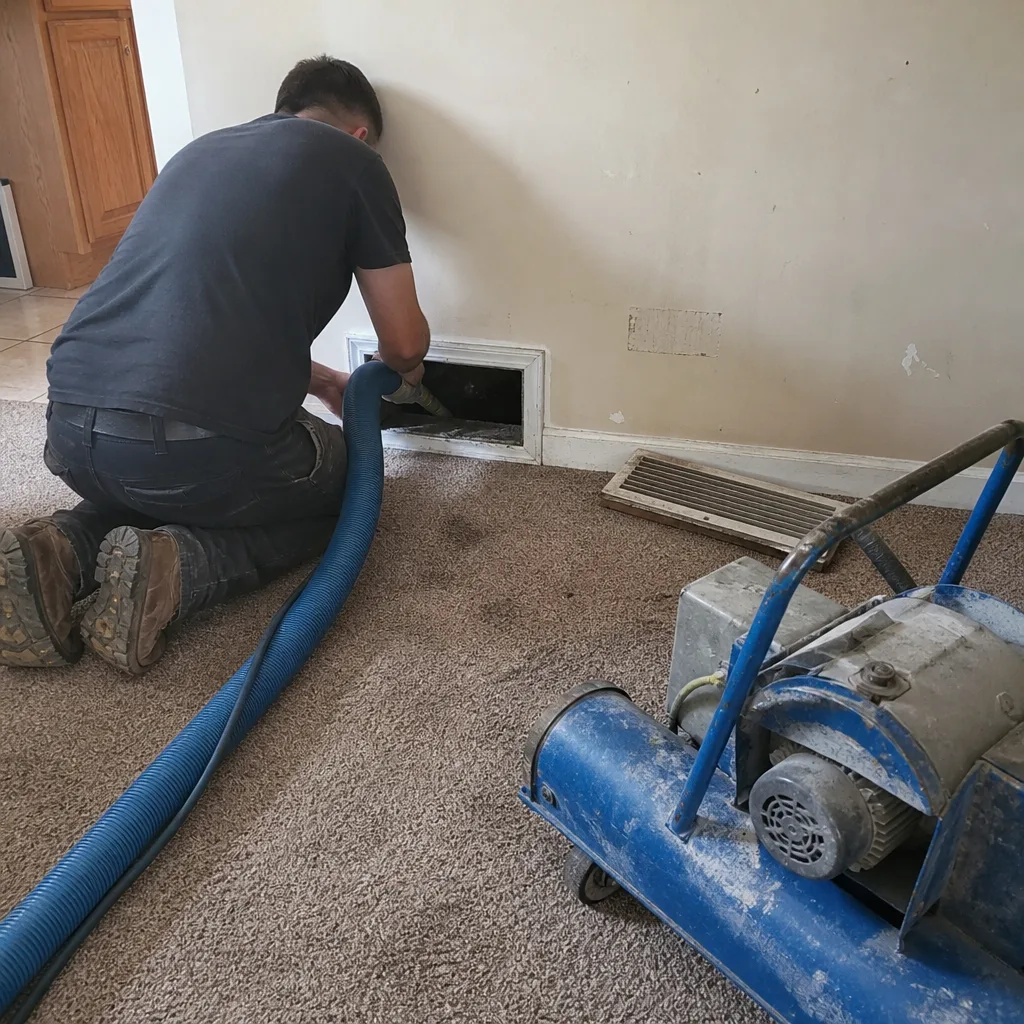
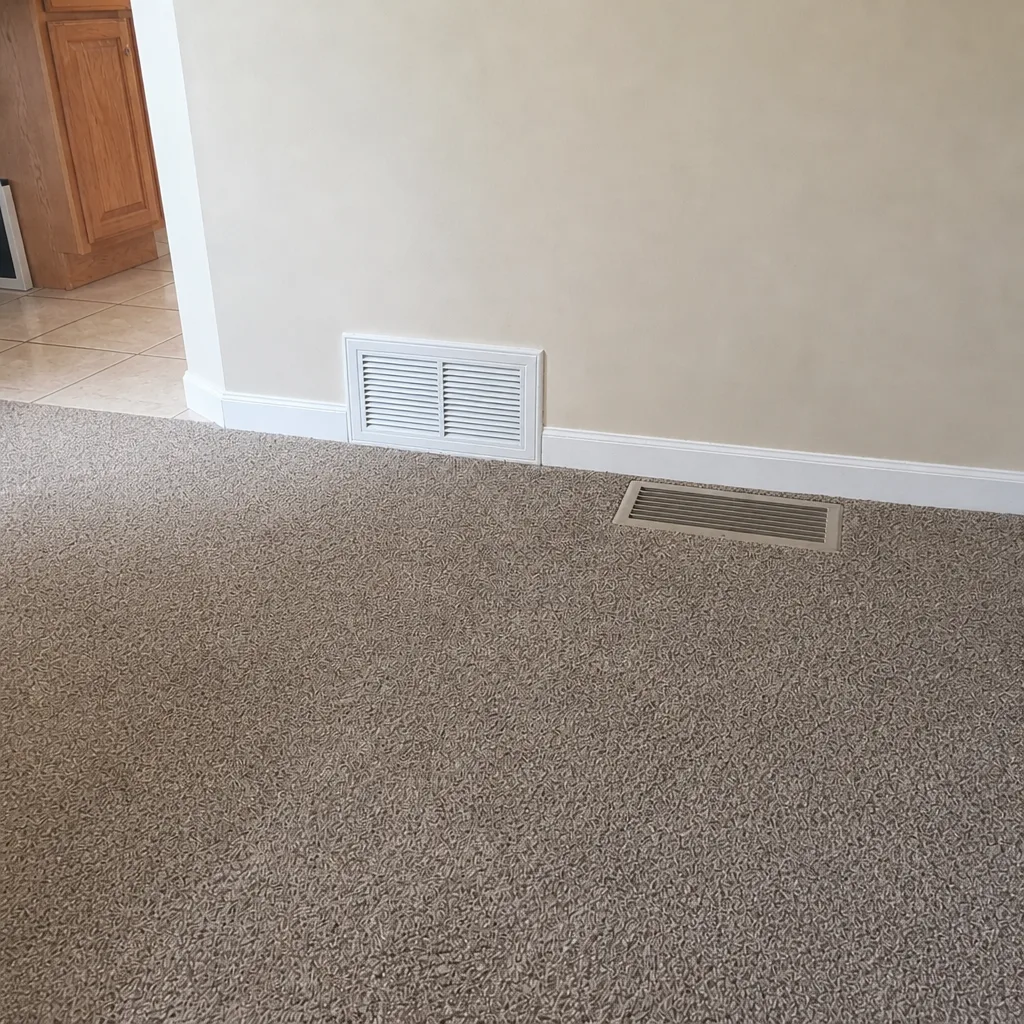
Whole-system duct and dryer vent check with before-and-after photos - you see exactly what came out of your vents
That "$99 whole-house special" is a bait ad - the real number appears once they are in your hallway, or the "clean" is a shop-vac at the register. We photograph the inside of your ducts before and after instead.
Air Duct Cleaning Warning Signs: A Layton Homeowner’s Reference Guide
Dust on the supply registers is the sign most Layton homeowners point to first, and it’s the least reliable one. That gray film is usually a filter that isn’t seated properly or a static-pressure imbalance pushing air past the filter frame, not a duct full of debris. The signs that actually track with meaningful contamination are quieter and show up in different places. In this guide we separate what’s worth acting on from what’s normal aging from what’s actually an HVAC fault that cleaning won’t fix. You’ll learn where to look, what the evidence means, and when a call makes sense.
Styles & brands we work with
- Whole-home duct cleaning
- Dryer vent cleaning
- Camera inspection
- Sanitizing & deodorizing
Quick Answer
The warning signs that most reliably point to real duct contamination are visible debris or staining on the return side, musty or biological odors that return after a filter change, symptoms that flare only in rooms on one branch of the system, and pest evidence inside accessible duct sections. Most of what gets called a “warning sign” online – register dust, one dusty room, an annual reminder – usually points to filtration or pressure problems instead. Our technicians have up to 14 years of experience and we use that time to tell the difference before recommending work.
Table of Contents
- Supply-Side vs. Return-Side Contamination: What Each One Tells You
- Reading Odors: Duct Contamination vs. Coil, Humidifier, and Heat-Exchanger Smells
- Allergy and Respiratory Patterns That Point to Ducts
- The Flashlight-and-Mirror Inspection You Can Do Yourself
- Signs of Something Worse Than Dirt
- Why Layton’s Climate and Housing Stock Change the Picture
- When Cleaning Won’t Fix It: Duct Failure, Leaks, and Sealing
- Signs That Aren’t About Your Ducts at All
- Common Mistakes to Avoid
- When to Call a Professional
- Frequently Asked Questions
- The Bottom Line
Supply-Side vs. Return-Side Contamination: What Each One Tells You
A duct system is two halves doing different jobs, and where you see the debris tells you which half is failing. The return side pulls air in from living spaces and is where the bulk of the particulate load gets deposited. The supply side pushes conditioned air out and should stay comparatively clean if the filter and plenum are doing their job.
Here’s the pattern in plain terms:
- Heavy dust on return grilles only, with the return trunk visibly lined: the filter is being bypassed or is undersized for the blower. Air is finding the path of least resistance around the filter rather than through it. This is the most common real contamination pattern we see in Layton homes.
- Dust on supply registers, clean returns: usually a pressure or balance problem, not a dirty duct. Airflow is being forced past the register vanes or the supply trunk has loose joints pulling attic or garage air in.
- Dust concentrated on one branch or one room: a branch-level leak, an undersized run, or a register boot that isn’t sealed to the floor or wall.
- Uniform light dust on both sides: normal. Every system filters imperfectly. This is what aging looks like, not contamination.
If you’ve ever wondered whether you actually need air duct cleaning, this supply-versus-return read is the single most useful thing to look at. It’s also the first thing a trained technician checks: which side is loaded, and why. A dust-loaded return trunk that keeps loading up after a cleaning usually points to a sealing problem underneath, and that’s a repair, not a maintenance item.
Reading Odors: Duct Contamination vs. Coil, Humidifier, and Heat-Exchanger Smells
Not every smell in a house comes from the ducts, and telling them apart before you spend a dollar on cleaning matters. Each odor source has a different fix, and only one of them is duct cleaning.
Odors and what they usually mean
- Musty, damp, “wet basement” smell that shows up when the fan runs: the strongest indicator of biological growth in the return or on the evaporator coil face. If changing the filter doesn’t change it, that points to a coil face or return trunk that needs a look.
- Aroma that only appears from one or two registers: a branch-level problem – microbial growth, trapped debris, or a register boot drawing air from a damp crawl space or garage.
- Smell that returns shortly after cleaning: the source was never addressed. Cleaning without fixing the moisture source that fed the growth doesn’t solve anything.
- Sour or “dirty sock” odor from the supply side: often coil face, drain pan, or humidifier pad. Cooling tower smell on the coil is common in Layton’s dry summer months when a pan sits with standing condensate.
- Metal or hot-dust smell during heating cycles: usually a heat exchanger, not dirt. Have it looked at as a safety matter.
Any gas, combustion, or heat-exchanger concern is a safety issue – call a qualified HVAC technician and don’t run the system until it’s checked. That’s the boundary of what duct work covers. Once the source is ruled out of the duct system, a full clean and sanitizing closes the loop on the allergens and odors that live in the duct itself. We use Guardsman sanitizing treatments after mechanical cleaning precisely because sprays don’t fix a dirty duct – only proper tooling removes the substrate the odor is growing on.
Allergy and Respiratory Patterns That Point to Ducts
Health symptoms are the hardest sign to read, because ducts share the blame with humidity, volatile organic compounds, outdoor air, and ordinary seasonal variation. The patterns below are the ones that correlate most often with contamination rather than a broader indoor-air issue.
- Symptoms that flare in one room or one wing: a whole-house air quality problem would hit every room. Localized symptoms point to a branch of the system.
- Symptoms that ease outdoors or on vacation: the problem is in the building, and the duct system is a reasonable suspect.
- Symptoms that get worse when the system runs and ease when it’s off: a strong signal. Air is moving through a source it shouldn’t be touching.
- Morning congestion that clears as the day goes on: often a bedroom return that’s drawing from an under-filtered source.
By contrast, symptoms that follow the season, show up after rain, or cluster around the colder months are more likely humidity, mold in wall cavities, or the ordinary dryness of a high-desert heating season. In Layton, low winter relative humidity makes dry airways and irritated sinuses common, and those symptoms mimic duct contamination without any source in the ductwork. That’s not to dismiss those symptoms – an outdoor-air or whole-home filtration upgrade may genuinely help. But it’s a different prescription than duct cleaning, and we’d rather tell you which problem you actually have. Anyone who tells you every respiratory complaint needs cleaning is guessing.
The Flashlight-and-Mirror Inspection You Can Do Yourself
You can look at the accessible sections of your own duct system with a strong flashlight and a hand mirror, and a handful of return grilles removed. What you should see, and what you shouldn’t, is specific enough to be useful.
- Start at the return grille closest to the air handler. Remove the grille and shine a light into the trunk. You should see sheet metal, flex duct lining, or duct board – the surface material – with light dust or dust pattern but no clumps. Debris clinging to the walls, visible flakes on the bottom of the trunk, or material piled at a seam are worth noting.
- Look at the filter frame itself. The filter’s edges should be sealed against the frame. If you see dust stripes past the edges, air is bypassing the filter. That’s a filtration problem, not a duct-cleaning problem, and fixing it is cheaper than cleaning.
- Shine the light on the inside of a supply register boot (the short section behind the grille). A supply boot should be relatively clean. If it’s heavily dusted or has a dark film, look for an unsealed boot edge drawing from a wall cavity, attic, or garage.
- Check the plenum connection where the trunk meets the air handler. Metal tape, mastic, or factory joints should be intact. Any gap or open seam reads as “return contamination” no matter how many times you clean.
- Run your finger along the inside of the trunk, then look at it. A light gray film is fine. A dark film, a wet or tacky feel, or a sour smell on the finger is an indicator.
Three things you should not do yourself: pull the blower or the evaporator coil apart, get inside the supply trunk beyond the register boot, or open anything that involves combustion equipment. Those are jobs for a trained professional, and the risk of electrical contact or refrigerant exposure isn’t worth it. Note what you find and stop there.
Signs of Something Worse Than Dirt
Some signs point to problems that cleaning alone won’t solve. These are the ones we care about most, because they sometimes mean a system has been failing for a while.
Microbial growth indicators
Visible dark staining or fuzzy growth on the inside of the return trunk, particularly near the coil or in a trunk run through a crawl space or unconditioned space, is a microbial indicator. It means there’s been moisture in the duct, and moisture is the source, not the dirt. Cleaning removes the growth; it doesn’t remove the water. That’s why any microbial case should be paired with a look at where the moisture is coming from – condensate drain, coil pan, humidifier, or a duct run sweating in the attic. We use Abatement Technologies negative-air containment and filtration during service on these jobs so spores aren’t redistributed through the house.
Pest evidence
Droppings, nesting material, insect casings, or chewed flex duct are pest signs. They read differently than dust – clumped, fibrous, sometimes colored, and often localized to one section of the system. If pest evidence shows up, cleaning is only half the response. Sealing the entry point and repairing the damaged duct section matters more than the cleaning itself, and we handle both.
Signs of duct system failure
- Visible sagging or collapsed flex duct in the attic or crawl space: restricted airflow and a contamination trap.
- Sections separated at the joints, with visible gaps: this can pull attic, garage, or crawl space air into the supply.
- Water staining at seams or on the duct board: moisture intrusion that will keep feeding growth.
- Odor that returns within weeks of a cleaning: an unresolved source upstream of the ductwork.
- Cold rooms that never get warm (or warm rooms that never cool): sometimes a duct-sizing or balancing issue rather than a cleaning issue.
We repair and seal duct sections as part of the same visit for exactly this reason – a clean duct with a leaking joint re-contaminates fast. If you’re seeing any of these, describe them when you call so the right tools come out.
Why Layton’s Climate and Housing Stock Change the Picture
Layton’s high-desert setting and its build history both shape what a duct system looks like on the inside after a few seasons of use.
Dust in this part of Utah is fine and mineral-rich: it blows in off open ground and settles everywhere, and the share that makes it into a return is the share the filter didn’t catch. That’s why filter fit matters more here than in a wetter climate. A filter that’s seated with a quarter-inch gap will let through enough dust over a heating season to load a return trunk. Layton winters push the furnace hard for months, so the hours of air moving through the system are high, and the system is what sets the load.
Summers stress a different part of the picture. The dry air means condensate pans can sit dry between cycles and then fill suddenly during a monsoon pattern. If a pan or drain line ever backs up, the moisture source is inside the system. And crawl spaces in older Layton neighborhoods, along with the attics on newer construction, both have their own ways of introducing outdoor dust and unconditioned air into the duct run. Newer installs with rigid metal and mastic tend to fare better than older flex systems, but only if the joints were actually sealed.
Layton homes aren’t uniformly one build type. The result is that two houses on the same street, in the same heating season, can have completely different duct conditions. That’s why we look at the system before recommending a service – not the calendar. If you’ve had a contractor tell you the ducts need cleaning every year on principle, that’s a calendar recommendation, not a condition-based one.
When Cleaning Won’t Fix It: Duct Failure, Leaks, and Sealing
A duct problem that returns after cleaning was almost always a duct problem underneath. Cleaning removes the debris; sealing removes the reason the debris came back.
The most common repeat offenders:
- Separated trunk sections – the mechanical fastener or mastic has failed and the joint has opened up.
- Unsealed register boots – the boot isn’t attached to the floor or wall, so it pulls from the cavity behind it.
- Filter-frame bypass – the filter sits in a frame that’s larger than the filter, or the frame was never sealed to the return plenum.
- Collapsed or kinked flex duct – restricts airflow, and the restriction makes dust drop out of the air column and settle.
- Disconnected supply or return runs – more common in attics than you’d expect.
Our technicians have up to 14 years of experience and the equipment to find those under-leak sources with a flashlight, a smoke pencil, or a pressure check, then seal what’s found before the ducts are put back in service. We use Rotobrush and Nikro rotary-brush and negative-air systems – the same tooling commercial contractors work with – because consumer-grade vacuums don’t move enough air to lift settled debris out of a trunk system. Cleaning, repair, and sealing happen in one visit, or none of it makes sense.
If you’ve been told your ducts need cleaning but the symptoms keep coming back, that’s a sign to look for a sealing problem. And it’s the reason we clean, repair, and seal as a single scope instead of selling cleaning and repair as separate visits.
Signs That Aren’t About Your Ducts at All
A lot of the “warning signs” lists online are, frankly, written by people selling cleaning. Here’s the honest calibration:
- A dusty house in general: usually filtration, cleaning routine, or the simple math of living in a dusty climate. Not a duct symptom.
- High energy bills: a duct cleaning will not fix them. A leaking duct system, filter problem, or equipment fault will show up in the bill – but the fix is sealing the leak or servicing the equipment, not vacuuming.
- A musty smell in the basement only: often a moisture issue in the basement itself. Duct cleaning won’t fix it if the ducts aren’t the source.
- One dusty room: balancing or a branch-level leak. Cleaning the whole system won’t address a pressure imbalance.
- A dryer that’s slow: a dryer vent cleaning issue, not a duct-cleaning issue. Those are separate systems and should be treated that way – the vent line carries lint and heat, and its obstruction is a fire-hazard concern that duct cleaning never touches.
- An annual reminder email from a cleaning service: not a warning sign. It’s marketing. We’d rather do the inspection and tell you the ducts are fine.
We’d rather lose the job than sell you a cleaning your system doesn’t need. In our experience, a real assessment looks at the whole picture: filter setup, pressure, coil face, return trunk, register boots, and any obvious leakage. That’s a lot more than “dirty or clean.”
Common Mistakes to Avoid
- Treating register dust as proof of dirty ducts. It’s usually filter bypass or pressure – check the filter fit before you call anyone. It can also be a sign the boot isn’t sealed to the floor, which is a repair, not a cleaning.
- Hiring a quote-to-quote shopper. The lowest quote is often the company that runs a shop vac through one register and calls it done. Ask what equipment they use – a rotary brush and negative-air containment are the baseline, not an upgrade.
- Cleaning once and never fixing the source. If the return trunk reloads after a cleaning, there’s a leak or filter-frame gap that needs sealing. Cleaning without solving the cause is a recurring bill.
- Ignoring a musty smell because you already had the ducts cleaned. Odor that returns after cleaning means the moisture source upstream of the ducts was never addressed. Check the coil face, pan, and any humidifier.
- Assuming energy bills and duct cleaning are connected. Duct cleaning is about contamination and air quality. Energy bills are about leakage and equipment. Different problems, different fixes.
- Using a shop-vac or consumer-grade kit indoors. It can redistribute fine dust through the house and won’t lift material stuck to the trunk walls. It also isn’t built for the containment you want during the work.
- Skipping the dryer vent. Dryer vents are a fire hazard, not a minor chore – lint buildup restricts airflow and adds heat in a line that isn’t designed to run hot. That’s a separate service and worth doing even if the ducts are fine.
When to Call a Professional
Call when you can answer yes to any of these: visible debris or staining on the return trunk; a musty smell that returns within a few weeks of a filter change; symptoms that flare only in one room or one wing and ease when the system is off; pest evidence in an accessible section; visible collapsed, separated, or moisture-stained duct; or a filter frame that reads as bypass no matter how carefully you seat a new filter. All of those warrant a look. None of them warrants panic, but each points to a specific problem that a trained eye can sort in a short visit. The professional visit begins with a look at the system, not a pre-printed invoice. Layton Air Duct Cleaning Pros offers free estimates in Layton – call (855) 726-7045. We answer 24/7. Fast dispatch from 7am to 7pm, Sunday through Friday.
Frequently Asked Questions
The most reliable are visible debris or dark staining on the inside of the return trunk, a musty smell that returns within weeks of changing the filter, symptoms that concentrate in one room or one branch of the system, and pest evidence in accessible duct sections. Register dust alone isn’t reliable – it’s often a filter-bypass or pressure issue. Call (855) 726-7045 for a free estimate if you’re seeing any of the reliable signs.
There’s no fixed interval that applies to every home – condition, not the calendar, should drive it. Homes with pets, recent renovation, or visible contamination need it more often than a sealed, well-filtered system with no symptoms. If a contractor recommends a fixed annual cleaning before even looking at the system, ask what they found. Our HVAC cleaning and duct work is scoped to what the system actually needs.
Pricing is set per job by a written estimate after a look at the system, because a sealed single-trunk install and a two-story with multiple branches are different scopes of work. We don’t quote per-vent prices or teaser rates, and we don’t add fees once work starts. Call (855) 726-7045 for a free estimate – the number we give you is the number on the written estimate.
Because they’re quoting less work. The lowest quote is typically one pass with a shop vac, no containment, no inspection, no rotary tooling, and no before-and-after photos. Ask what equipment will be used in the house. Rotobrush and Nikro rotary-brush and negative-air systems are the standard; a portable vacuum rig isn’t. Call (855) 726-7045 if you want to compare quotes honestly.
Before-and-after photos of your own ducts, taken during the service, are the honest answer. A proper service also does a pre-cleaning walkthrough and identifies what’s actually loaded up. Ask for the photos as part of the quote. And ask what gets sealed or repaired, because a clean duct with a leaking joint reloads within a season or two. Call (855) 726-7045 for a free estimate and ask those questions first.
Only partly. A clean supply register with a dusty return grille suggests a return-side loading or filter-bypass problem; heavy dust on both supply and return is normal aging. The reliable look is a flashlight-and-mirror check of the return trunk behind the grille nearest the air handler – that’s where contamination shows up first. If you’d rather not pull grilles, book an inspection. Call (855) 726-7045 and we’ll do the walkthrough for you.
The Bottom Line
Dust on your supply registers is not reliable evidence of a duct problem – filter fit and airflow pressure explain it far more often. The signs worth acting on are loaded return trunks, musty odors that return after a filter change, symptoms concentrated on one branch, pest evidence, microbial growth, or visible duct failure. Cleaning without fixing the source (a leaking joint, a filter-frame gap, a wet coil pan) reloads the system fast, which is why we clean, repair, and seal in one visit, and why we use Rotobrush and Nikro rather than a shop vac rig. Our technicians have up to 14 years of experience and would rather look than guess. If you’re in Layton and something on this list fits, get it checked before you spend on a cleaning you may not need. We’re the specialist-grade alternative to general handyman work, and the walkthrough always comes first.
Call Layton Air Duct Cleaning Pros at (855) 726-7045 for a free estimate. We answer 24/7. Fast dispatch from 7am to 7pm, Sunday through Friday.
For the full scope of our work and the rest of our services across Layton, start at Layton Air Duct Cleaning Pros. We install and service air-quality hardware from Honeywell and Aprilaire where filtration or humidification upgrades make sense, and our dryer vent cleaning is a dedicated fire-risk service rather than a cleaning add-on. Our air duct cleaning and HVAC cleaning both use the same commercial-grade tooling. Call (855) 726-7045 and we’ll talk through what your system actually needs.
Written by the team at Layton Air Duct Cleaning Pros.
See the difference
 Before
 After
 Before
 After
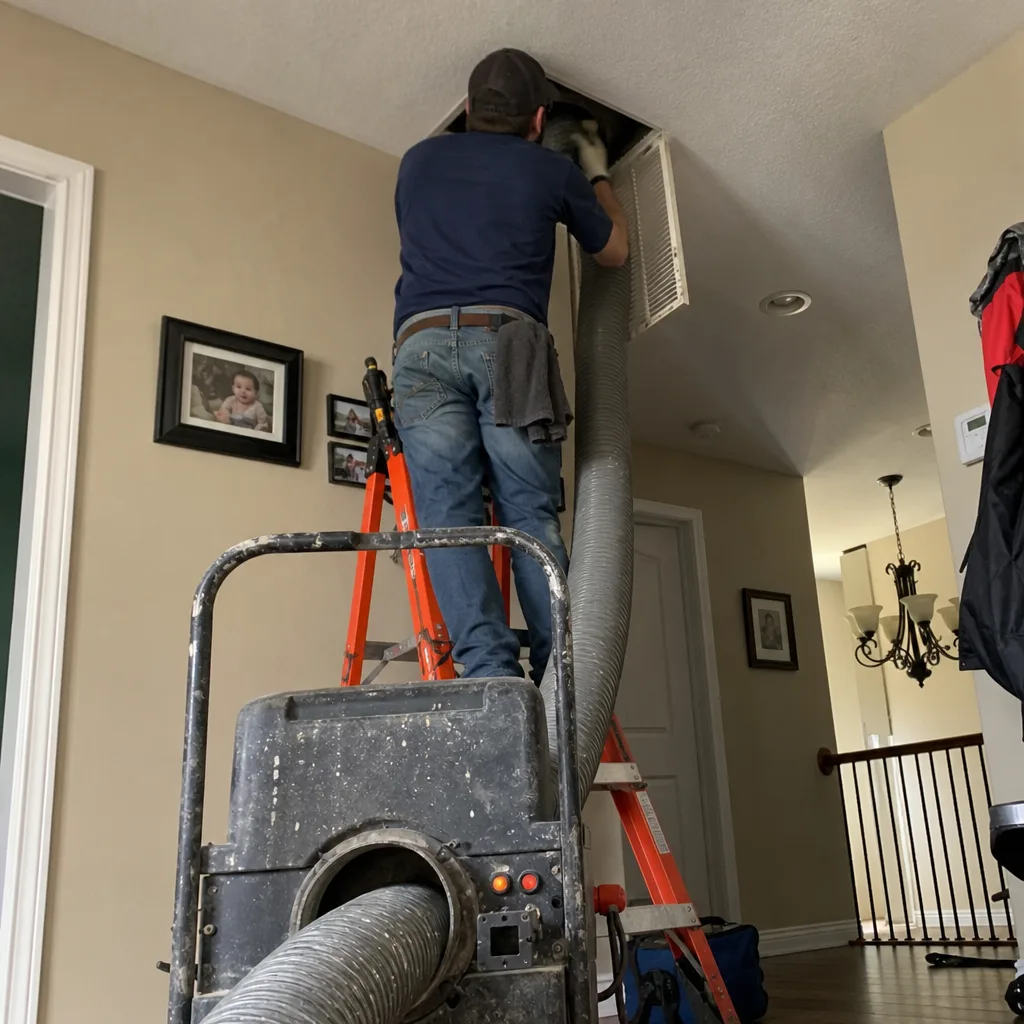 Before
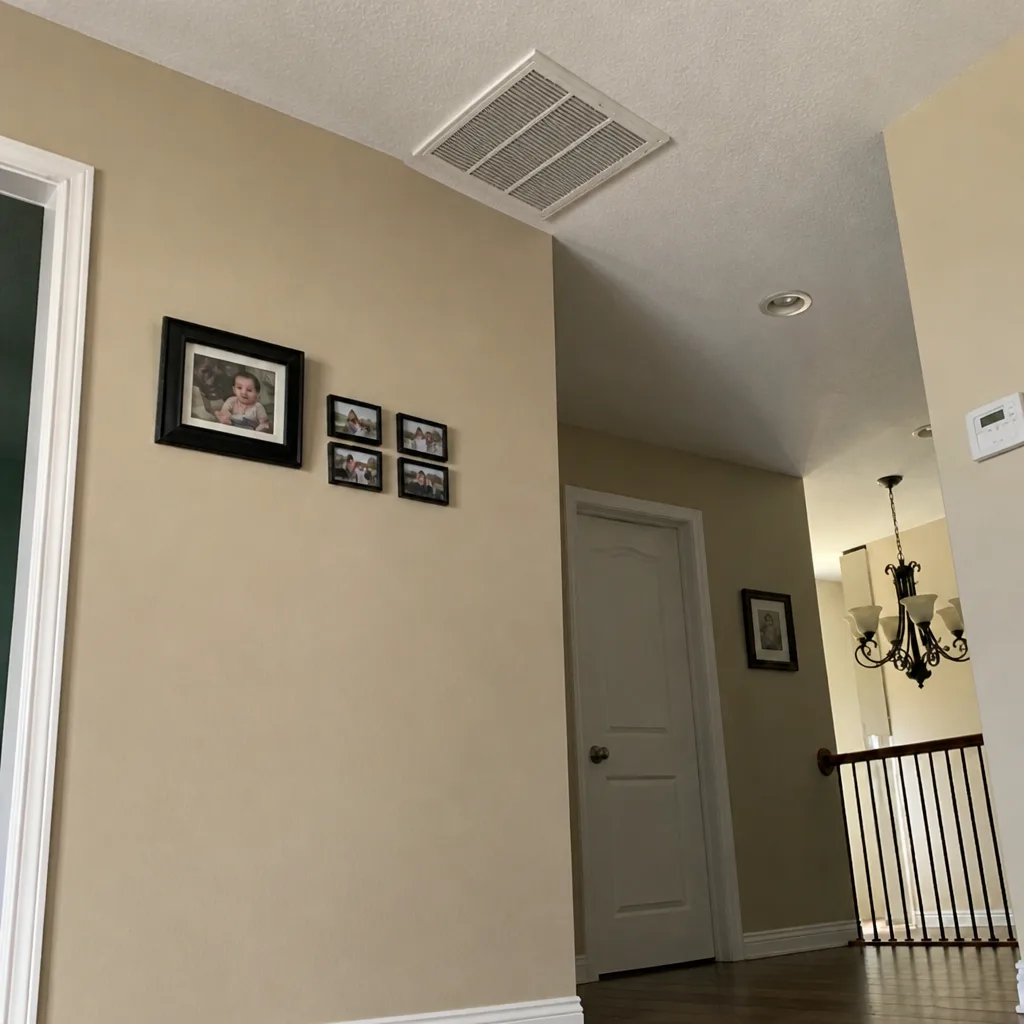 After